Bwindi Forest Nature Walks – 2024/2025
Guided waterfall and forest walks through Bwindi's ancient jungle
Beyond Gorillas: Discover Bwindi's Hidden Treasures
While Bwindi Impenetrable Forest is globally famous for mountain gorillas, the forest itself deserves equal attention as one of Africa's most remarkable ecological treasures. Dating back over 25,000 years, Bwindi survived the last ice age as a rainforest refuge, making it one of the continent's most ancient and biodiverse ecosystems. This UNESCO World Heritage Site spans 331 square kilometers of montane and lowland forest across elevations from 1,160 to 2,706 meters.
Nature walks through Bwindi reveal layers of complexity that gorilla trekking's singular focus doesn't fully capture. You'll discover cascading waterfalls tumbling through moss-covered ravines, troops of black-and-white colobus monkeys and L'Hoest's monkeys leaping through the canopy, medicinal plants that traditional healers have used for millennia, and an understory alive with over 200 butterfly species, chameleons, and duikers. The park protects over 120 mammal species, 350 bird species (including 24 Albertine Rift endemics), and 400+ types of plants.
Your UWA ranger guide won't just lead the way—they'll transform your hike into an immersive educational experience. As you walk, they'll point out medicinal plants like the wild ginger used for stomach ailments and tree ferns with antiseptic properties. You'll learn to identify tree species by bark texture and leaf shape, spot fresh elephant dung (forest elephants occasionally pass through), and understand how the forest's layered canopy creates distinct microclimates. It's a gentler, more contemplative way to experience Bwindi, perfect for nature enthusiasts, families with children 8+, and those seeking a deeper forest connection.
Why Choose Nature Walks?
Nature walks offer several advantages: they're significantly more affordable than gorilla permits, suitable for younger children (8+ vs. 15+ for gorilla trekking), less physically demanding with customizable difficulty levels, and provide broader wildlife diversity. You're more likely to see multiple primate species, birds, and butterflies on a nature walk than on a focused gorilla trek. Plus, trails operate across all four sectors—Buhoma, Ruhija, Nkuringo, and Rushaga—giving you flexibility in your itinerary.
What Makes These Walks Special
Spectacular Waterfalls
Hike to the 33-meter Munyaga Falls with opportunities for photos and refreshing swims in natural pools
Frequent Primate Sightings
Black-and-white colobus, L'Hoest's monkeys, blue monkeys, red-tailed monkeys, and olive baboons commonly encountered
Medicinal Plant Education
Learn how traditional healers use wild ginger, tree ferns, and other forest plants from expert ranger guides
Photography Paradise
Capture cascading waterfalls, 200+ butterfly species, forest hornbills, turacos, and misty forest landscapes
Excellent Birdwatching
Spot Albertine Rift endemics like African green broadbill, turacos, hornbills, and sunbirds
Family-Friendly Options
Children 8+ welcome (vs. 15+ for gorillas), with trails ranging from easy 2-hour walks to challenging 7-hour treks
Panoramic Viewpoints
Rushura Hill offers stunning views of Virunga Volcanoes, Lake Edward, and Rwenzori Mountains on clear days
Diverse Trail Options
Choose from 6+ trails across four sectors: easy riverside strolls to multi-sector forest traverses
Choose Your Trail Adventure
Bwindi offers diverse trails across all four sectors. Here are the most popular options:
Munyaga Waterfall Trail
EASY • 3-4 HoursLocation: Buhoma Sector
The most popular trail, following the Bizenga Creek to where it meets the Munyaga River. You'll hike through lowland rainforest to a spectacular 33-meter waterfall with opportunities for swimming in natural pools. Excellent for spotting black-and-white colobus monkeys, L'Hoest's monkeys, colorful butterflies, and forest birds including turacos and hornbills. The trail includes medicinal plant interpretation and is perfect for families and first-time visitors.
Rushura Hill Trail
MODERATE • 3-4 HoursLocation: Buhoma Sector
Ascend to 2,500 meters for breathtaking panoramic views of Lake George, Lake Edward, the Rwenzori Mountains (on clear days), and the conical peaks of the Virunga volcanoes. This moderate climb rewards you with stunning vistas and crosses forests spanning both Uganda and the Democratic Republic of Congo. Watch for bushbucks, duikers, giant forest hogs, and forest elephants along the way.
Ivy River Trail
CHALLENGING • 6-8 HoursLocation: Connects Buhoma and Nkuringo Sectors (13km)
One of the oldest and most immersive hikes in Bwindi, this full-day trek follows the Ivy River through thick vegetation with river crossings over wooden bridges and stepping stones. You'll pass through ancient forest with trees over 2,500 years old, interact with local Batwa pygmy communities, and have excellent chances of seeing red-tailed monkeys, chimpanzees, elephants, giant forest hogs, duikers, and olive baboons. A paradise for serious birdwatchers seeking Albertine Rift endemics.
Mubwindi Swamp Trail
MODERATE • 4-5 HoursLocation: Ruhija Sector
Winds through rainforest to the Mubwindi Swamp, known as one of Bwindi's premier birding trails. Offers scenic viewpoints of the Virunga ranges and excellent opportunities to spot various primates (including occasional chimpanzee sightings), forest elephants, bush pigs, and numerous bird species. The swamp ecosystem attracts unique waterbirds and insects.
Bamboo Trail
STRENUOUS • 6-7 HoursLocation: Ruhija Sector
The park's most challenging nature walk, ascending through different vegetation zones to Rwamunyonyi Hill (2,607m)—Bwindi's highest point. Pass through afro-montane and bamboo forests with spectacular views of Lake Bunyonyi, the Virunga Volcanoes, and Bwindi's vast canopy. Excellent for serious hikers seeking diverse wildlife including duikers, forest elephants, multiple primate species, and rare high-altitude birds.
Your Day in Detail – Munyaga Waterfall Trail
⚠️ Important Note: This itinerary is tentative and can be customized based on your preferences, which trails you'd like to explore, and your fitness level. We can adjust timing and combine multiple activities to suit your interests.
Trail Briefing
Meet your UWA ranger guide at Buhoma Park Headquarters for registration and orientation. They'll explain trail safety, wildlife viewing etiquette, and what to expect.
Forest Entry
Begin your gentle walk along the Bizenga Creek through lowland rainforest. Your guide points out medicinal plants, explains their traditional uses, and helps you identify bird calls echoing through the canopy.
Primate Territory
Pass through areas frequented by black-and-white colobus monkeys and L'Hoest's monkeys. Watch them leap between branches as your guide explains their social behaviors and feeding habits.
Waterfall Arrival
Reach the spectacular 33-meter Munyaga Falls cascading into natural pools. Time for photography, snacks, and optional swimming (water is cold but refreshing!). Your guide shares the ecological importance of the waterfall system.
Return Journey
Hike back via a different route, focusing on butterfly identification and smaller forest details—chameleons, forest floor insects, and unique orchids. Your guide might spot fresh duiker or elephant tracks.
Trail End
Exit the forest and review your sightings with your guide. Receive your trail completion certificate and head back to your lodge for lunch.
What to Bring on Your Nature Walk
Clothing
- Waterproof hiking boots (ankle support recommended)
- Rain jacket or poncho (essential—Bwindi is very wet)
- Long pants (tucked into socks to prevent insect bites)
- Long-sleeved shirt (lightweight, breathable)
- Wide-brimmed hat and sunglasses
- Garden gloves (helpful for gripping wet branches)
Essentials
- 2+ liters of water (stay hydrated)
- Energy snacks (nuts, dried fruit, chocolate)
- Insect repellent (DEET-based recommended)
- Sunscreen (SPF 30+)
- Small first aid kit (bandages, pain relievers)
- Personal medications
Photography & Extras
- Camera with zoom lens (for primate photography)
- Binoculars (for birdwatching)
- Extra batteries and memory cards
- Waterproof bag/cover for electronics
- Field guide to East African birds (optional)
- Walking stick/hiking poles (can be rented)
Your Questions Answered
Related Activities
More amazing adventures in Bwindi Impenetrable Forest:
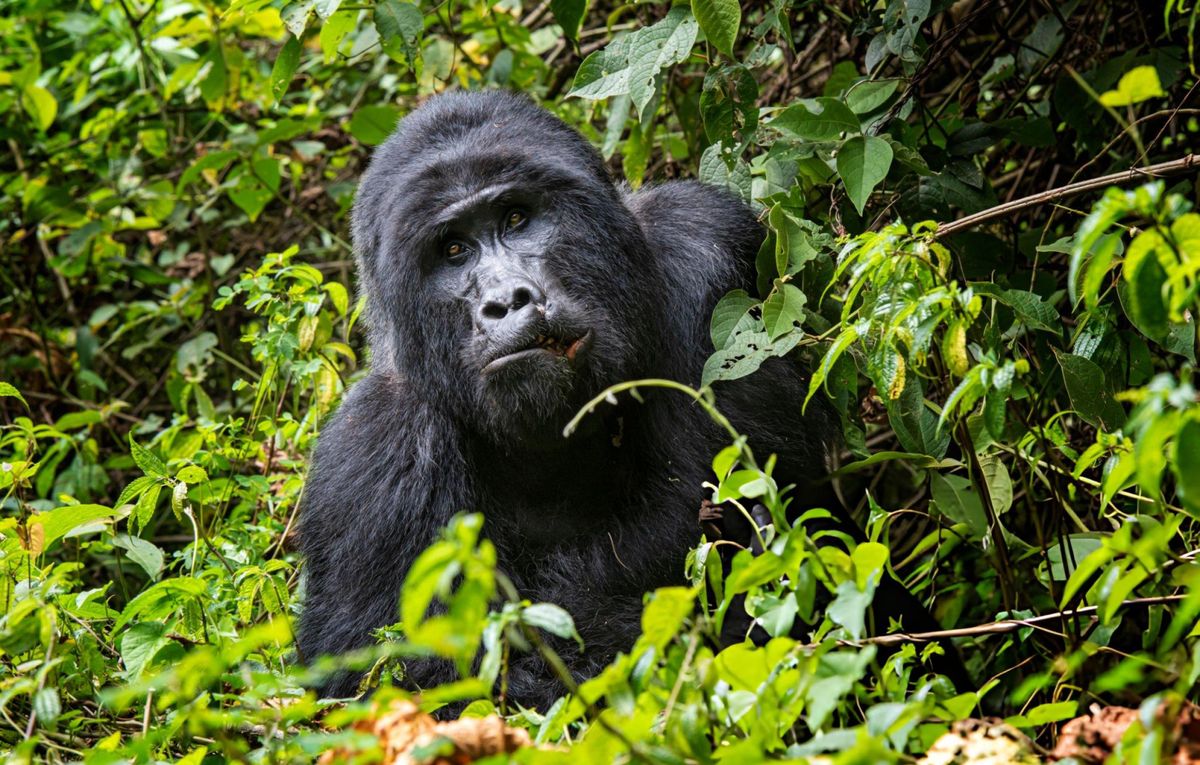
Gorilla Trekking
The ultimate primate encounter in Bwindi Impenetrable Forest.
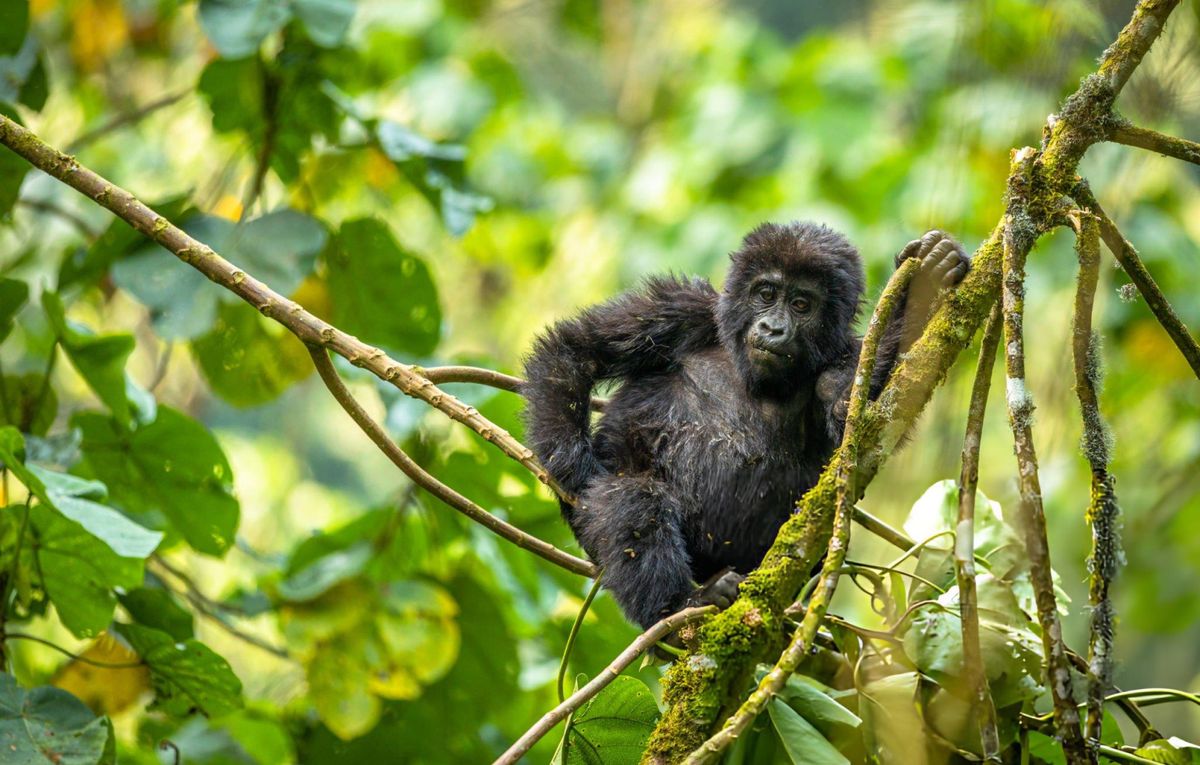
Gorilla Habituation Experience
Spend 4 hours with researchers training semi-habituated gorillas.
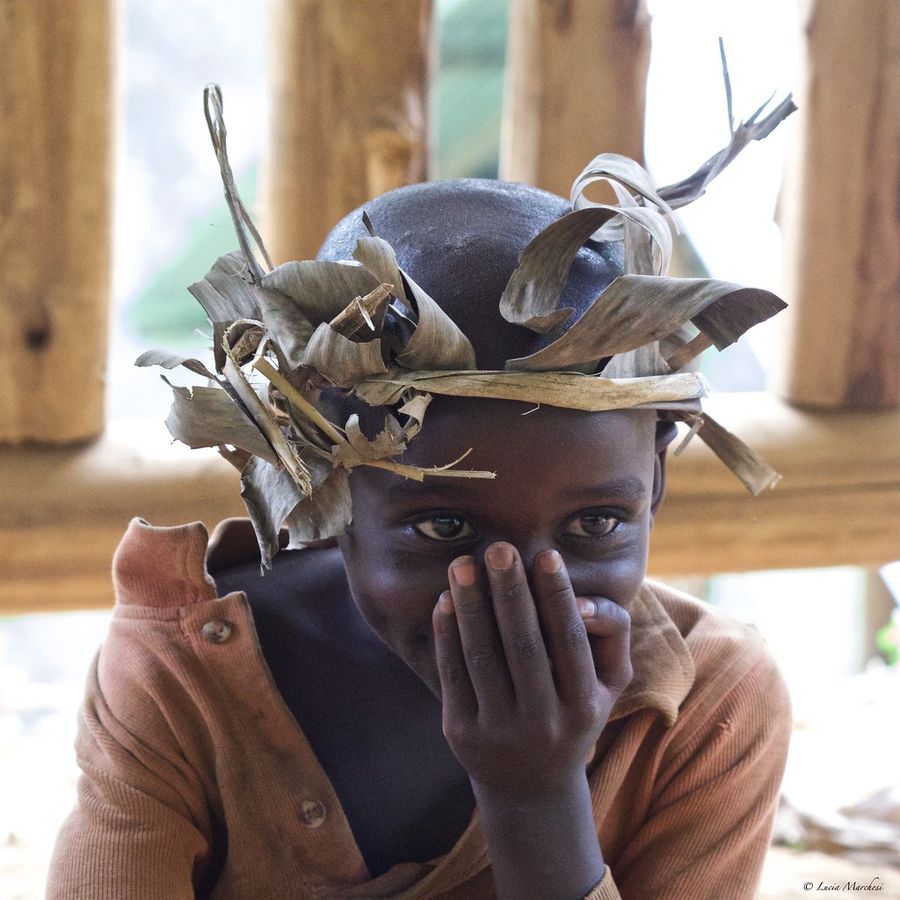
Batwa Cultural Trail
Walk with the forest's original inhabitants and learn their ancient survival skills.
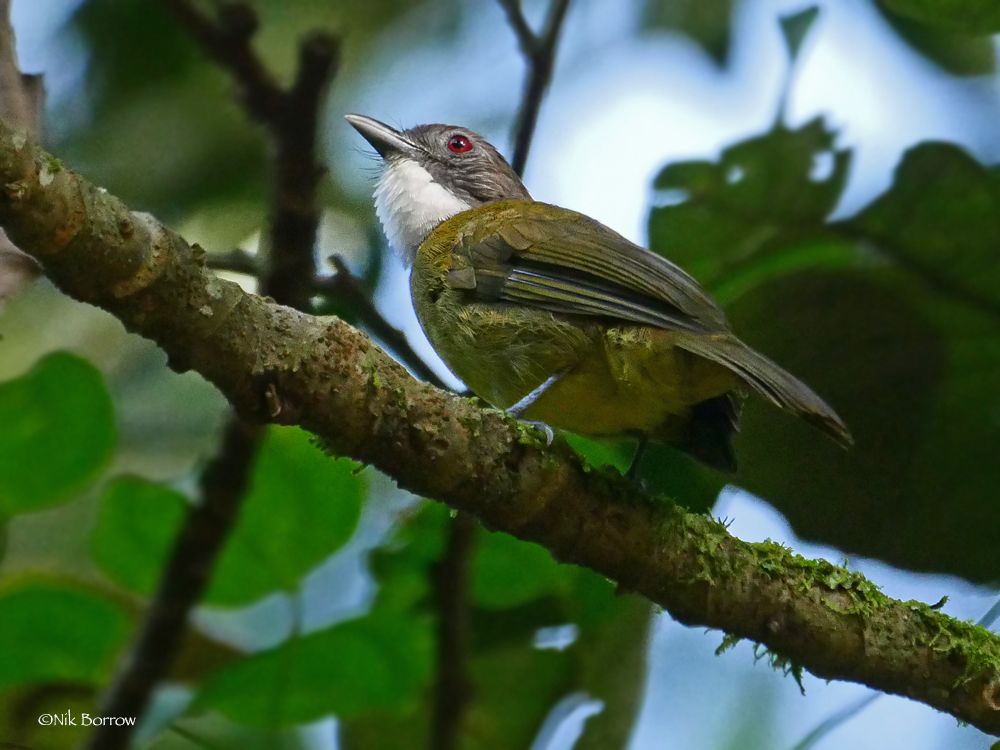
Birdwatching Treks
Discover over 350 bird species in this UNESCO World Heritage site.
Explore Bwindi's Ancient Rainforest
Discover waterfalls, primates, and medicinal plants on guided forest trails.