Batwa Cultural Trail Experience
Walk with Bwindi's first forest keepers and hear their stories
Walk with Bwindi's First Forest Keepers: Living History of Uganda's Indigenous People
Long before national parks existed, long before gorilla tourism, long before conservation science, the Batwa people called Bwindi Impenetrable Forest home. For at least 60,000 years—among the longest continuous occupations of any human population on Earth—these remarkable hunter-gatherers lived in intimate harmony with the ancient rainforest, knowing every medicinal plant, every animal track, every secret the forest held.
The Batwa Cultural Trail offers a rare opportunity to walk alongside these original forest dwellers as they share the survival skills, creation stories, hunting techniques, and spiritual traditions that have been passed down through countless generations. This is not a museum exhibit or staged performance—it's a living cultural exchange with people whose ancestors walked these forests when humanity was young.
A Tragic History, A Resilient People
The Batwa's story takes a heartbreaking turn in 1991. When Bwindi was gazetted as a national park to protect mountain gorillas, the Batwa were forcibly evicted from their ancestral lands without compensation, consultation, or adequate resettlement. Overnight, their hunting grounds became illegal territory; the foods and medicines they'd gathered for millennia became "poaching." An entire way of life was criminalized in the name of conservation.
Today, approximately 6,500 Batwa live in settlements around Bwindi, struggling to maintain cultural identity after losing their forest home. Many face discrimination from neighboring agricultural communities, severe poverty, and the psychological trauma of displacement. The Batwa Cultural Trail emerged from this context as a community-driven initiative to preserve traditional knowledge, provide sustainable income, and rebuild cultural pride through tourism.
What You'll Experience
Your journey begins at the forest edge, where Batwa elders welcome you with warmth that transcends the painful history they carry. As you walk the trail, they demonstrate skills that kept their ancestors alive: making fire with bamboo friction, identifying medicinal plants with precision, crafting hunting tools, building shelters from natural materials. Each demonstration reveals the intelligence, adaptability, and deep ecological knowledge that sustained forest life.
The trail culminates at a sacred cave—an ancient dwelling and ceremonial site where you receive traditional blessings and hear creation stories passed down through generations. The haunting beauty of Batwa songs, the rhythmic energy of traditional dance, and the personal narratives of displacement create an emotional experience that stays with visitors long after returning home. This is cultural immersion at its deepest: celebration, mourning, resilience, and hope intertwined.
What Makes This Cultural Experience Special
Authentic Batwa Guides
Led by actual Batwa community members—elders and knowledge keepers who lived in the forest before relocation and carry ancestral wisdom through lived experience
Ancient Survival Skills
Learn fire-making with bamboo friction, identify dozens of medicinal plants, understand hunting techniques and tool-making that sustained forest life for millennia
Traditional Songs & Dance
Experience the haunting polyphonic harmonies and rhythmic movements of Batwa music—songs that once echoed through Bwindi's ancient forest, communicating with spirits and each other
Hunting Demonstrations
Watch the crafting of bows, arrows, and spears; learn tracking techniques; and practice archery under expert guidance—skills honed over 60,000 years of forest hunting
Sacred Cave Visit
Enter an ancient cave dwelling once used by Batwa communities for shelter and ceremonies. Receive traditional blessings and hear stories of ancestors who gathered here
Medicinal Plant Knowledge
Witness encyclopedic botanical knowledge: plants for fever, wounds, childbirth, stomach ailments—a living pharmacy of forest medicine accumulated over countless generations
Direct Community Benefit
All trail fees support Batwa community directly: healthcare clinics, education for children, cultural preservation, and economic empowerment after displacement
Personal Connections
Small group format allows genuine interaction with guides and community members. Ask questions, share reflections, and connect across vast cultural differences
Your Cultural Journey Through Batwa Heritage
⚠️ Important Note: This itinerary is flexible and may vary based on community availability, weather conditions, and the specific trail location (Buhoma, Rushaga, or Nkuringo sectors offer variations). The overall experience typically lasts 4-5 hours with abundant stops for demonstrations and interaction.
What to Bring on the Batwa Trail
Clothing & Footwear
- Sturdy hiking shoes: Trails can be muddy and uneven. Ankle support recommended.
- Long pants: Protection from vegetation and insects on forest paths.
- Rain jacket: Bwindi is a rainforest—showers are common even in dry season.
- Comfortable layers: Mornings can be cool at altitude (1,500-2,000m).
Photography & Essentials
- Camera: Photography is welcome; ask permission for portraits.
- Water: Bring at least 1 liter for the 4-5 hour experience.
- Sunscreen & hat: For forest clearings where sun exposure occurs.
- Cash for crafts: Bring Ugandan shillings for optional craft purchases.
Recommended Approach
- Open heart and mind: Approach with curiosity, respect, and willingness to learn.
- Family photos: Bring printed photos of your family to share—creates reciprocal exchange.
- Questions prepared: The Batwa appreciate genuine curiosity about their culture and history.
- Gratuity budget: Tips for guides and performers are appreciated and meaningful.
Your Questions About the Batwa Experience
Related Activities
More amazing adventures in Bwindi Impenetrable Forest:
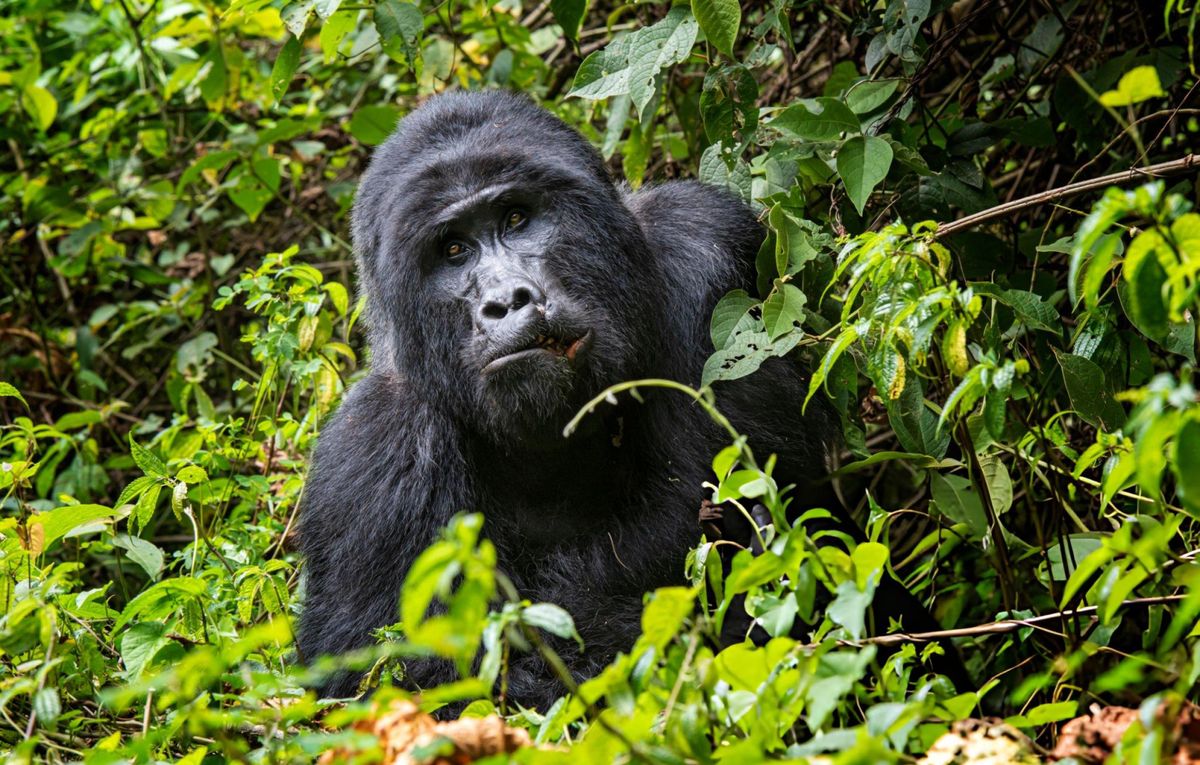
Gorilla Trekking
The ultimate primate encounter in Bwindi Impenetrable Forest.
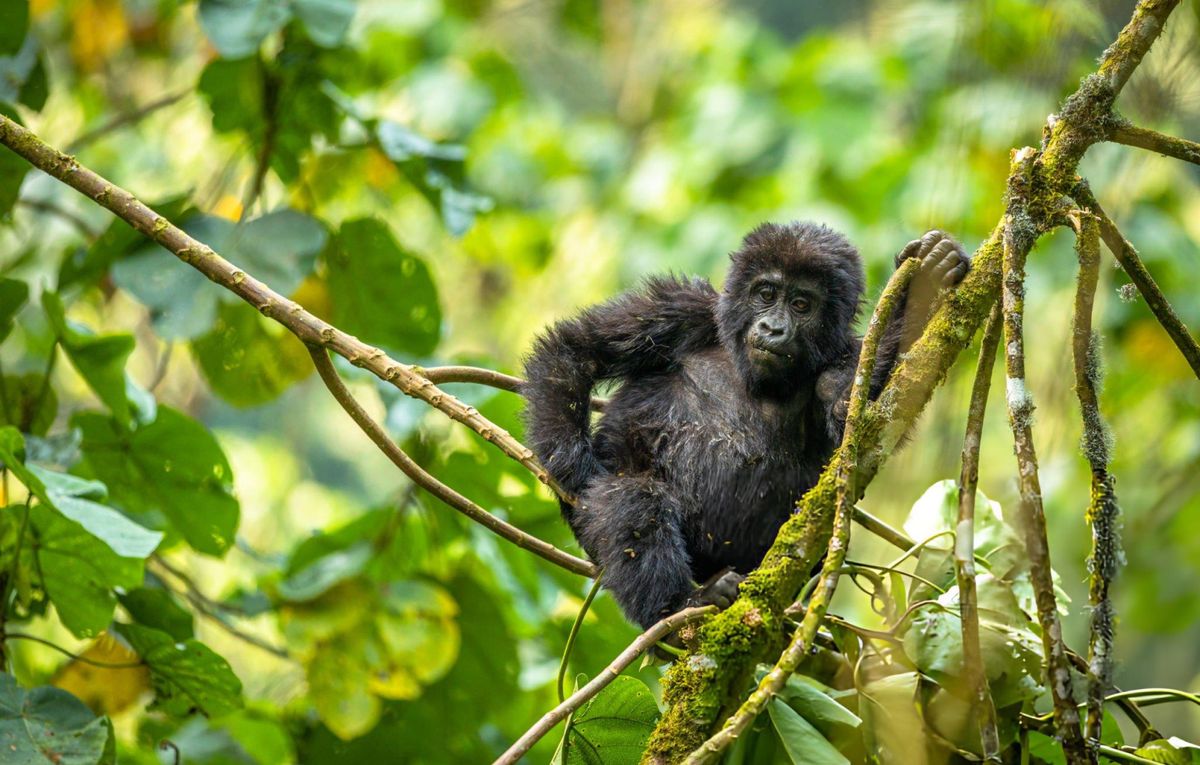
Gorilla Habituation Experience
Spend 4 hours with researchers training semi-habituated gorillas.
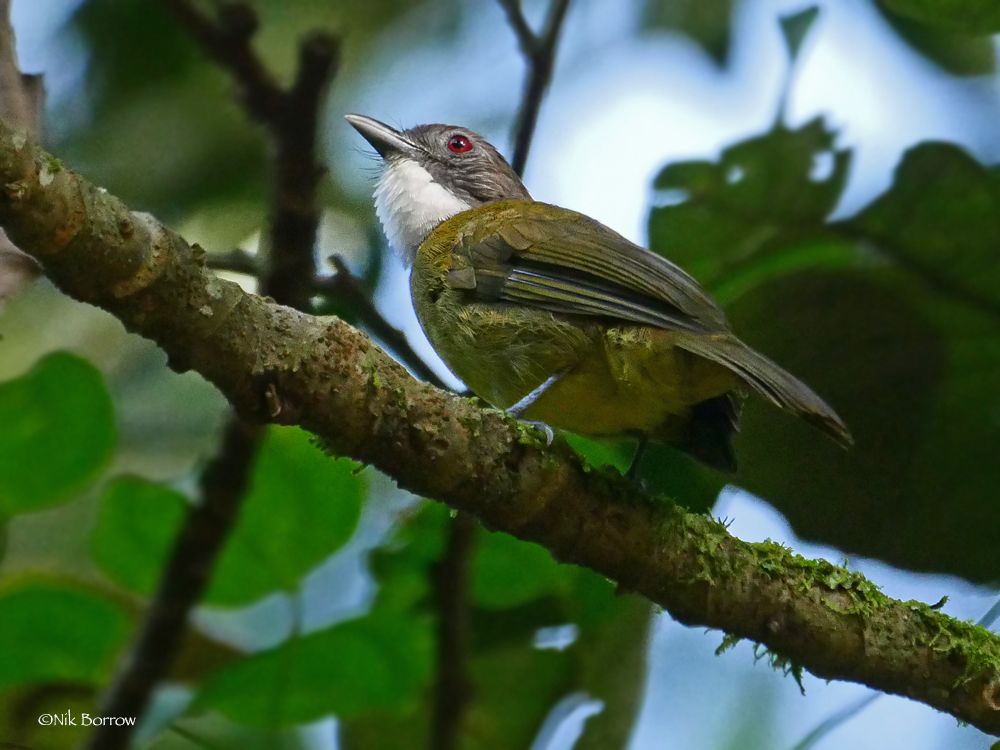
Birdwatching Treks
Discover over 350 bird species in this UNESCO World Heritage site.
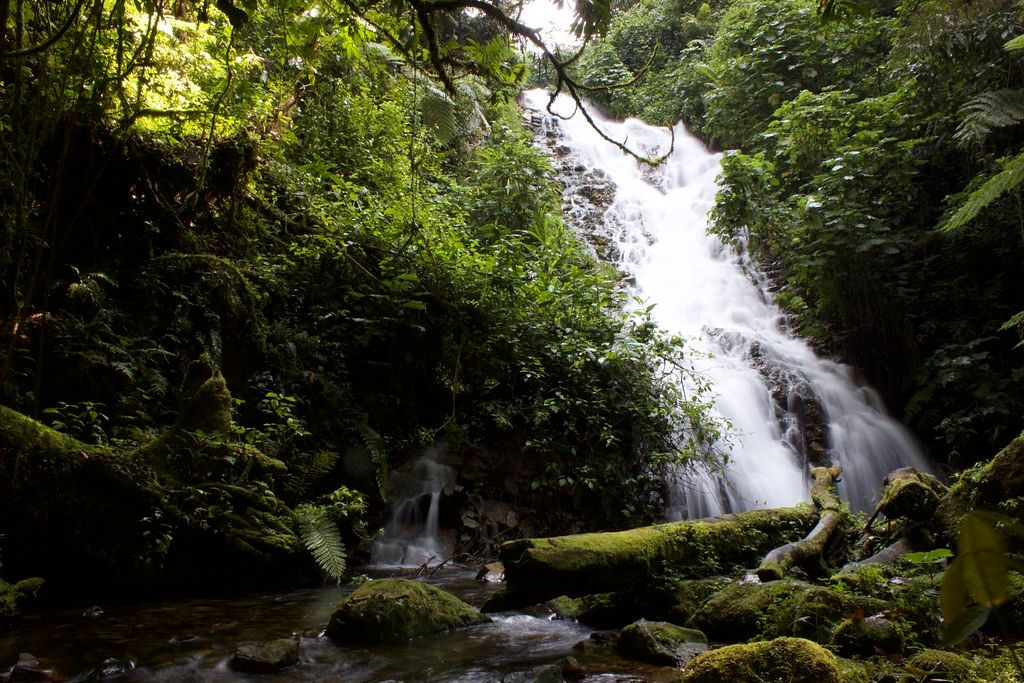
Waterfall Hikes
Explore stunning waterfalls and diverse forest ecosystems.
Walk with the Forest's Original People
Experience the ancient wisdom and traditions of the Batwa pygmies in the forests of Bwindi.