Bwindi Birdwatching Safaris – 2025
Seek Albertine Rift endemics in Uganda's premier montane forest
Africa's Premier Montane Forest Birding Destination
While most visitors come to Bwindi Impenetrable Forest for mountain gorillas, serious birders know this ancient UNESCO World Heritage Site harbors something equally spectacular: one of Africa's highest concentrations of Albertine Rift endemic species. With over 350 recorded bird species—including an extraordinary 24 Albertine Rift endemics (90% of all species in this category found in East Africa)—Bwindi ranks among the continent's most important birding destinations. Fourteen of these species are found nowhere else in Uganda, making your visit here absolutely essential for serious listers.
Your Premier Birding Sectors & Trails
Bwindi's four sectors—Buhoma, Ruhija, Rushaga, and Nkuringo—each offer distinct birding opportunities across dramatically different elevations (1,160m to 2,607m). This elevation range creates remarkable habitat diversity, from lowland rainforest specialists to afromontane endemics. The forest itself dates back over 25,000 years, making it one of Africa's oldest ecosystems and a critical refuge for species found nowhere else on Earth.
Ruhija Sector in the eastern highlands stands as Bwindi's birding crown jewel. The legendary Mubwindi Swamp Trail—challenging but extraordinarily rewarding—is your best bet for the elusive African Green Broadbill (Grauer's Broadbill), which calls here during its breeding season from late May to early October. Listen for its distinctive ascending "sisisiiii" call in the dense vegetation. The Ruhija Nature Trail and Bamboo Zone add Rwenzori Nightjar, Handsome Francolin, African Wood Owl, and exceptional views of Regal Sunbirds and Cinnamon-chested Bee-eaters.
Buhoma Sector in the north offers easier access and excellent diversity. The Buhoma Waterfall Trail delivers sightings of African Emerald Cuckoo, Red-headed Bluebill, and White-starred Robin-Chat among stunning forest scenery. Additional trails like the Ivy River Trail, Rushura Hill Trail, Muzabajiro Loop, and Munyaga River Trail each provide unique birding opportunities with cooperative species and beautiful settings perfect for photography.
Rushaga Sector in the south attracts target species like Yellow-eyed Black Flycatcher and Cassin's Flycatcher. "The Neck," a narrow riverine forest corridor between Ruhija and Buhoma along the main road, offers unique half-day birding with different habitat specialists.
The Albertine Rift Endemic Experience
Your birding safari begins in the pre-dawn darkness, meeting your specialized bird guide—expertly trained to recognize species by both sight and sound, essential in this dense canopy forest. As you enter the forest at first light, the cacophony of calls is mesmerizing: Great Blue Turacos booming from the canopy, Black-billed Turacos responding, Rwenzori Batises calling, and dozens more voices creating an unforgettable dawn chorus.
On a full-day expedition with an experienced guide, you can realistically expect to encounter 8-15 Albertine Rift endemics, with multi-day trips significantly increasing your endemic count. Target species include the stunning (but well-camouflaged) African Green Broadbill, the rare Shelley's Crimsonwing (occasionally seen in bamboo zones feeding on grass seeds), Grauer's Rush Warbler, Chapin's Flycatcher, Mountain Masked Apalis, Collared Apalis, Blue-headed Sunbird, Purple-breasted Sunbird, Dusky Crimsonwing, Stripe-breasted Tit, Strange Weaver, and many more. Whether you're a hardcore lister chasing every endemic or a casual enthusiast marveling at your first turacos, Bwindi delivers world-class avian experiences you'll remember forever.
Birding Highlights
24 Albertine Rift Endemics
90% of all Albertine endemics in East Africa—including African Green Broadbill and Grauer's Rush Warbler
350+ Species Recorded
One of Africa's highest bird diversity levels with 14 species found nowhere else in Uganda
Expert Birding Guides
UWA-licensed specialists trained in visual and audio identification of endemic species
Elevation Diversity
1,160m to 2,607m range creates varied habitats from lowland to montane specialists
Premier Trails
Mubwindi Swamp, Buhoma Waterfall, and Ruhija trails—each with unique target species
Year-Round Birding
Resident endemics always present; migratory species November-April add extra diversity
Full-Day Birding Adventure Timeline
⚠️ Important Note: This itinerary is tentative and can be customized based on your target species, preferred sector (Ruhija, Buhoma, Rushaga), fitness level, and whether you want a half-day or full-day experience. We can adjust locations, timing, and trails to maximize your endemic sightings.
Essential Birding Gear & What to Bring
⚠️ Packing Note: Bwindi's trails can be steep, muddy, and challenging. Proper gear makes a huge difference in your comfort and birding success. Your guide provides a spotting scope, but bring your own binoculars.
Optics & Reference Materials
- Binoculars: 8x42 or 10x42 recommended (good light-gathering for dark forest)
- Field Guide: "Birds of East Africa" or "Birds of the Albertine Rift"
- Camera: Telephoto lens (300mm+) for canopy species; image stabilization helps
- Notebook/App: For recording sightings and field notes
- Voice Recorder: Optional but useful for documenting calls
Clothing & Footwear
- Waterproof hiking boots: Essential—trails are often muddy and slippery
- Rain jacket: Bwindi is a rainforest—pack waterproof layers even in dry season
- Long pants: Protect against stinging nettles and vegetation
- Neutral/earth-toned clothing: Avoid bright colors that startle birds
- Layered clothing: Mornings are cool (10-15°C), afternoons warmer
- Garden/leather gloves: Helpful when grabbing vegetation for balance
Essentials & Supplies
- Water: 1.5-2 liters for full-day birding
- Energy snacks: Trail mix, energy bars, fruit
- Insect repellent: Forest mosquitoes and other biting insects
- Sunscreen & hat: For trail breaks in open areas
- Small daypack: For carrying all your gear comfortably
Optional but Recommended
- Walking stick/trekking poles: Very helpful on steep sections
- Gaiters: Keep mud and moisture out of boots
- Extra batteries/power bank: For camera and devices
- Plastic bags: Keep electronics dry in rain
- Hand sanitizer/wet wipes: For cleaning hands during trail breaks
Your Birding Questions Answered
Related Activities
More amazing adventures in Bwindi Impenetrable Forest:
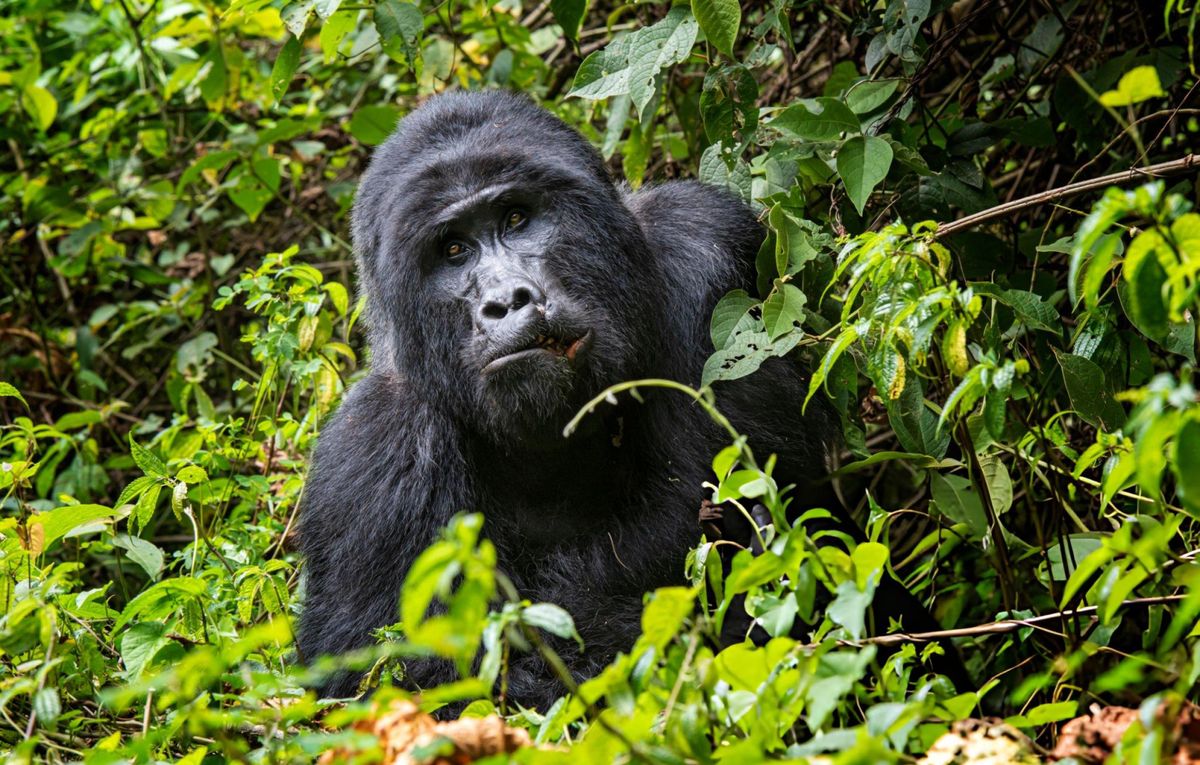
Gorilla Trekking
The ultimate primate encounter in Bwindi Impenetrable Forest.
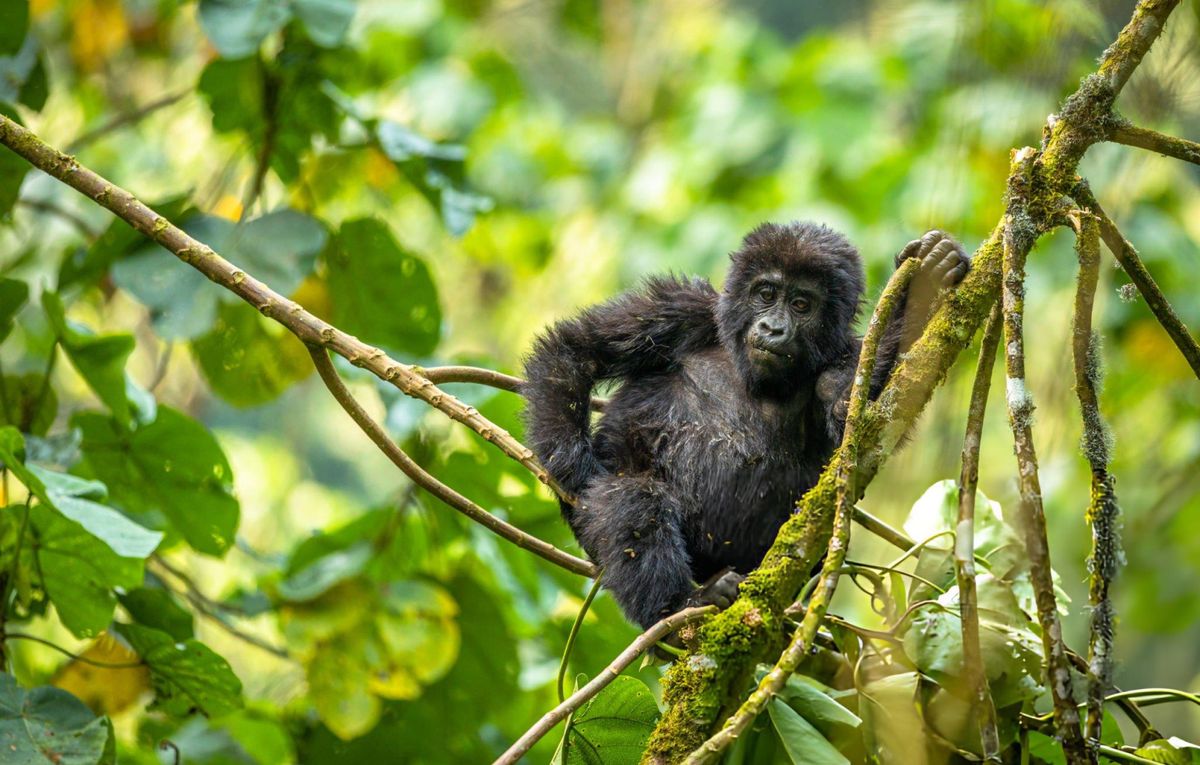
Gorilla Habituation Experience
Spend 4 hours with researchers training semi-habituated gorillas.

Batwa Cultural Trail
Walk with the forest's original inhabitants and learn their ancient survival skills.
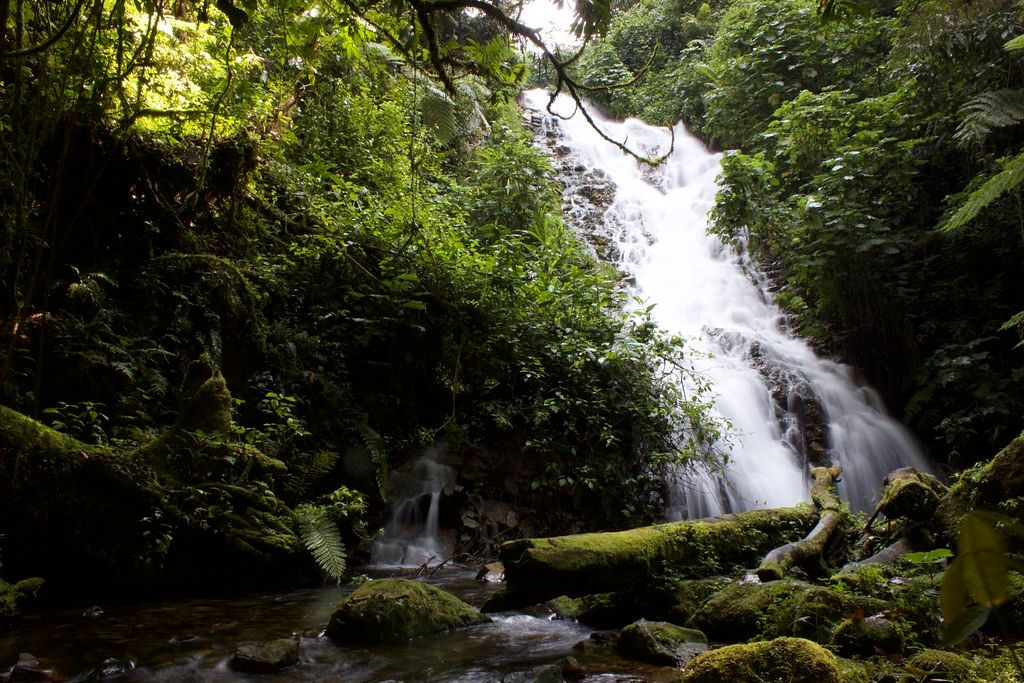
Waterfall Hikes
Explore stunning waterfalls and diverse forest ecosystems.
Hunt for Albertine Rift Endemics
Discover 350+ bird species in Bwindi's ancient montane forest with expert guides.