Sempaya Hot Springs
Witness nature's power at Uganda's boiling geothermal wonders
East Africa's Most Spectacular Geothermal Wonder
The Sempaya Hot Springs in Semuliki National Park represent one of Uganda's most extraordinary natural phenomena. Located in the Bundibugyo District near the Democratic Republic of Congo border, these geothermal springs boil at temperatures exceeding 103°C (217°F), creating dramatic displays of steam and bubbling water that erupt through the dense lowland tropical rainforest. The name "Sempaya" derives from a Kiswahili phrase meaning "difficult side," commemorating the challenging terrain encountered during road construction in this remote area.
The springs consist of two distinct features known locally as the "male" (Biteete) and "female" (Nyansimbi) springs, each with unique characteristics and deep cultural significance to the indigenous Bamaga clan. The female spring gushes boiling water up to two meters high in spectacular eruptions, while the male spring presents as a broader, calmer circular pool approximately 12 meters wide, characterized by gentle steaming and bubbling. These geothermal features result from the park's location in the western arm of the Albertine Rift Valley, where tectonic activity creates underground heat that manifests in these surface springs.
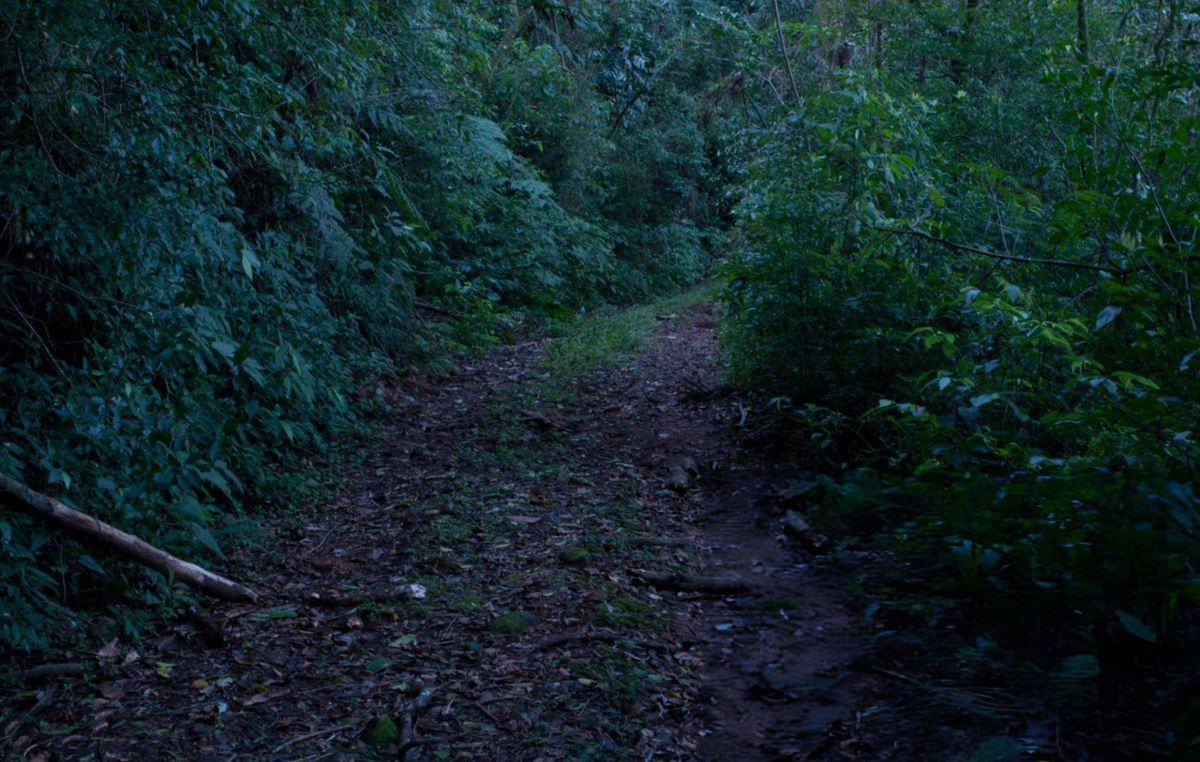
Visiting the Sempaya Hot Springs involves a guided walk through East Africa's only true lowland tropical rainforest—an eastward extension of the vast Congo Basin. The approximately one-hour trek takes you through dense vegetation where you'll encounter various primates including red-tail monkeys, black and white colobus monkeys, and green jet monkeys. Over 441 bird species inhabit this ancient forest, including 35 Guinea-Congo forest specialists found nowhere else in East Africa. The combination of geological wonder, pristine rainforest, and rich cultural heritage makes this one of Uganda's most unique and memorable experiences.
Why Visit Sempaya Hot Springs
Extreme Temperatures
Water reaches 103°C (217°F)—hot enough to boil eggs and plantains in minutes
Two Distinct Springs
Experience both the dramatic female spring (Nyansimbi) and calm male spring (Biteete)
Congo Basin Rainforest
Trek through East Africa's only true lowland tropical rainforest ecosystem
Cultural Significance
Learn Bamaga clan legends about healing, fertility, and ancestral spirits
Cooking Demonstration
Watch eggs, matooke, and potatoes cook in the boiling spring water
441 Bird Species
Spot 35 Guinea-Congo forest birds found nowhere else in East Africa
Primate Encounters
See red-tail monkeys, colobus monkeys, and other rainforest primates
Rift Valley Geology
Witness tectonic forces creating dramatic geothermal features
Sample Hot Springs Trek
⚠️ Important Note: This itinerary is tentative and can be customized based on your pace, interests, and wildlife sightings. The trek is relatively easy with flat trails, though humidity and potential mud (especially during rainy season) should be expected. Your guide adapts the experience to your preferences. Just let us know what interests you most!
What to Bring for Hot Springs Trek
Essential Gear
- Waterproof hiking boots or sturdy shoes (trails can be muddy)
- Long pants and long-sleeved shirt (protect from vegetation and insects)
- Light rain jacket (weather can change quickly in rainforest)
- Hat and sunglasses (for open areas)
- Strong insect repellent (DEET-based recommended for rainforest)
- Sunscreen (SPF 50+)
Photography & Comfort
- Camera with good lens (capture steam eruptions and forest scenes)
- Binoculars for primate and bird watching
- Refillable water bottle (stay hydrated in humid conditions)
- Small daypack to carry essentials hands-free
- Spare socks (in case feet get wet)
- Bird field guide (optional but enriching)
Pro Tip: Expect humidity and potential rain year-round in lowland rainforest. Bring lightweight, breathable clothing that dries quickly. Trails are generally flat and easy to navigate, but can be muddy especially during wet season (March-May, October-November). The hike to the female spring is shorter (5-15 minutes) while the male spring requires a longer walk through denser vegetation.
Frequently Asked Questions
Related Activities
More amazing adventures in Semuliki Valley National Park: