Semuliki National Park
East Africa's Only True Lowland Tropical Rainforest
Destination Overview
Semuliki National Park represents one of Africa's most biologically diverse and geologically fascinating protected areas. Established in October 1993, this 220 square kilometer park in Uganda's Bundibugyo District constitutes East Africa's only true lowland tropical rainforest—an eastward extension of the vast Ituri Forest of the Congo Basin.
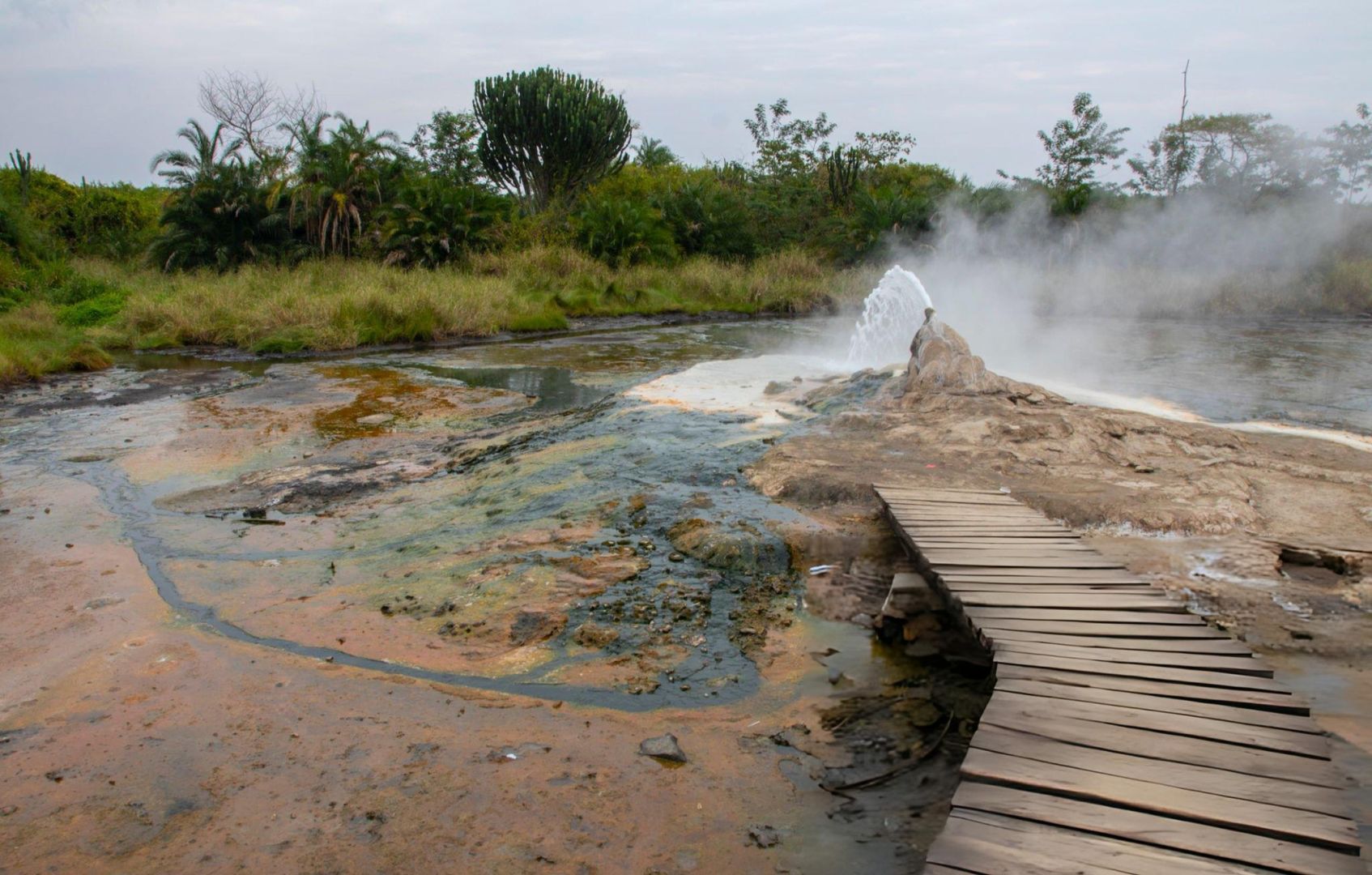
This ancient forest survived the last ice age 12,000-18,000 years ago, creating a living museum of prehistoric biological diversity. Semuliki functions as a biological bridge between Central and East African ecosystems, hosting 441 bird species (including 35 Guinea-Congo forest species found nowhere else in East Africa), 53 mammals, and 8 primate species. The park's famous Sempaya Hot Springs boil at over 100 degrees Celsius, adding geological wonder to exceptional biodiversity.
Size
220 km²
Established
October 1993
Bird Species
441 species
Mammal Species
53 species
How to Get There
By Road from Kampala
Distance: 320 km to Sempaya Gate
Travel Time: 5-6 hours via Fort Portal route
Route: Kampala → Mubende → Fort Portal → Bundibugyo → Semuliki
Well-maintained tarmac to Fort Portal, then murram road to park. 4WD recommended for rainy season.
By Air
Kasese Airfield: Charter flights from Entebbe (1 hour). Located 2-3 hours drive from Semuliki.
Fort Portal Area: Nearby airstrips serve western Uganda circuit.
Charter flights arranged through aviation operators. Combine with Kibale and Rwenzori destinations.
From Other Parks
Fort Portal: 1.5 hours drive. Perfect base for exploring Semuliki.
Kibale NP: 1.5-2 hours drive. Excellent primate and forest combination.
Rwenzori Mountains: 2-3 hours. Ideal for diverse ecosystem experiences.
Semuliki fits perfectly into western Uganda circuit itineraries.
Key Highlights
Sempaya Hot Springs
Two spectacular geothermal springs boil at over 100°C. The "male" spring (Bitende) measures 12 meters wide while the "female" spring (Nyansimbi) spans 2 meters. Steam erupts dramatically through forest vegetation.
441 Bird Species
Over 35% of Uganda's total avifauna thrives here. 35 Guinea-Congo forest biome species found nowhere else in East Africa include lyre-tailed honeyguide, Congo serpent eagle, and western bronze-naped pigeon.
8 Primate Species
Chimpanzees, red-tailed monkeys, black-and-white colobus, Central African red colobus, Dent's Mona monkeys, and nocturnal primates inhabit ancient forest. Less habituated than Kibale but authentic encounters.
Semuliki River
This 140km river originates from Lake Edward, flows through the park forming Uganda-DRC border, and empties into Lake Albert. Boat trips reveal hippos, crocodiles, and exceptional wetland birdlife.
Batwa Cultural Encounters
Four ethnic groups (Bakonjo, Bwamba, Batuku, Batwa pygmies) live around the park. Batwa forest people share traditional hunting techniques, medicinal plant knowledge, and spiritual forest connections.
Ancient Lowland Rainforest
East Africa's only true lowland tropical rainforest survived the last ice age. Congo Basin extension features towering Uganda ironwood trees creating dense canopy harboring incredible biological diversity.
Lake Albert Views
Park edges offer spectacular views over Lake Albert and the western arm of the East African Rift Valley. Dramatic escarpments create stunning photographic landscapes combining forest and water.
Geological Wonders
Semuliki sits in the western arm of the Albertine Rift Valley. Geothermal activity manifests in hot springs while ancient forest ecology creates unique habitat supporting species found nowhere else in the region.
Travel Tips
Best Time to Visit
Dry Seasons (December-February, June-September): Optimal for forest walks and hot springs visits. Less muddy trails, easier forest navigation. Peak birding season.
Wet Seasons (March-May, October-November): Lush forest scenery, excellent primate activity. Trails can be muddy and challenging but rewarding for serious birders seeking migrants.
Hot springs accessible year-round. 4WD essential during heavy rains.
What to Pack
Essential: Waterproof hiking boots, rain jacket, long pants and sleeves, insect repellent, leech socks
Recommended: Daypack, binoculars, field guides, sunscreen, water bottle, camera with telephoto lens
Weather Gear: Expect humidity and potential rain year-round in lowland rainforest
Neutral earth-tone clothing. Bring spare socks. Trails can be muddy even in dry season.
Health & Safety
Vaccinations: Yellow fever certificate required for entry to Uganda. Typhoid and hepatitis A recommended.
Malaria: High-risk area. Prophylaxis essential. Use insect repellent and sleep under mosquito nets.
Fitness: Moderate fitness required for forest walks. Trails involve uneven terrain and humidity. Pace yourself.
Hot Springs: Do not touch boiling water. Follow guide instructions around geothermal features.
Budgeting Tips
Duration: 2-3 days ideal for experiencing hot springs, birding, and forest walks. Combine with Kibale or Rwenzori.
Accommodation: Limited options near park. Budget guesthouses in Bundibugyo or Fort Portal. Book ahead.
Activities: Hot springs visit most popular. Birding exceptional value for species diversity.
Guides: Essential for navigation and wildlife spotting. Park rangers provide expertise.
Frequently Asked Questions
Discover East Africa's Hidden Rainforest Paradise
Journey into Semuliki and experience one of Africa's most biodiverse destinations. From boiling hot springs to rare Congo Basin bird species, Semuliki offers an authentic rainforest adventure showcasing the incredible diversity of the African continent where ancient forest meets modern conservation.