Queen Elizabeth National Park
Uganda's Premier Wildlife Adventure Destination
Destination Overview
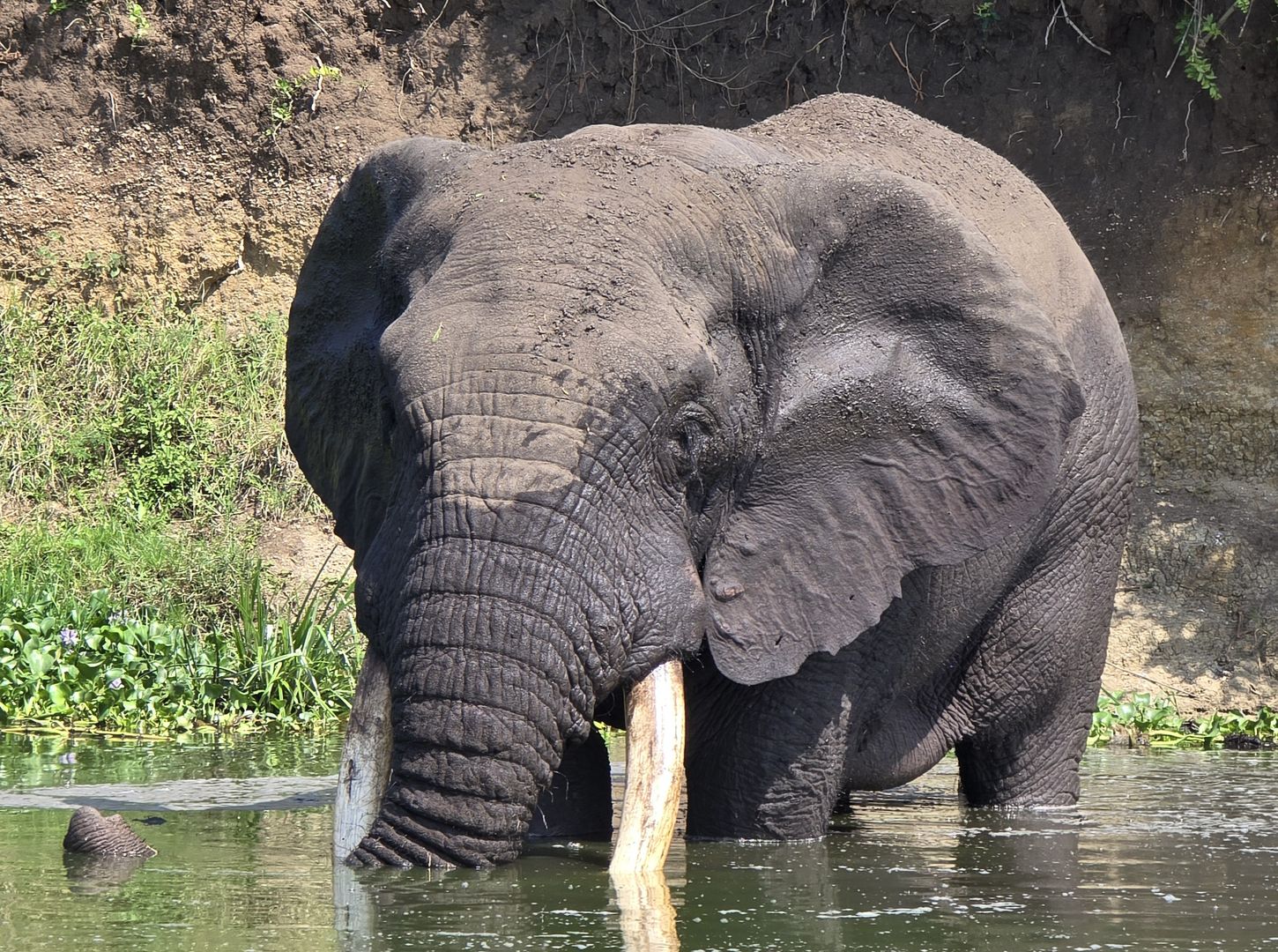
Queen Elizabeth National Park stands as Uganda's most visited and diverse wildlife destination, offering an extraordinary blend of savannah, wetlands, forests, and crater lakes across 1,978 square kilometers. Home to 95 mammal species and over 600 bird species, this UNESCO Biosphere Reserve delivers classic African safari experiences with unique features like tree-climbing lions and boat cruises through hippo-filled channels.
The park's strategic location in western Uganda makes it the perfect centerpiece for multi-destination safaris, seamlessly connecting gorilla trekking in Bwindi, chimpanzee tracking in Kibale, and the dramatic Murchison Falls. With accommodation options ranging from budget camping to luxury eco-lodges, Queen Elizabeth provides accessible wildlife adventures for every traveler.
Size
1,978 km²
Mammal Species
95 species
Bird Species
600+ species
Crater Lakes
100+ lakes
How to Get There
By Road from Kampala
Via Mbarara (6-7 hours): 410 km through Uganda's southwest. Pass through Fort Portal for scenic mountain views and tea plantations.
Via Kasese (5-6 hours): Alternative route through western region.
Well-maintained tarmac roads. 4WD recommended for park tracks during wet season.
By Air
Mweya Airstrip: Daily scheduled and charter flights from Entebbe (1.5 hours). Located in the heart of the park.
Kasese Airstrip: Alternative option near park northern gate.
Charter flights available for groups. Combine with other western Uganda parks.
Multi-Park Circuit
From Bwindi: 4-5 hours via scenic mountain roads. Perfect gorilla trek combination.
From Kibale: 2-3 hours. Ideal for chimp-to-wildlife safari circuit.
Most popular as part of western Uganda circuit combining primates and safari wildlife.
Key Highlights

Tree-Climbing Lions of Ishasha
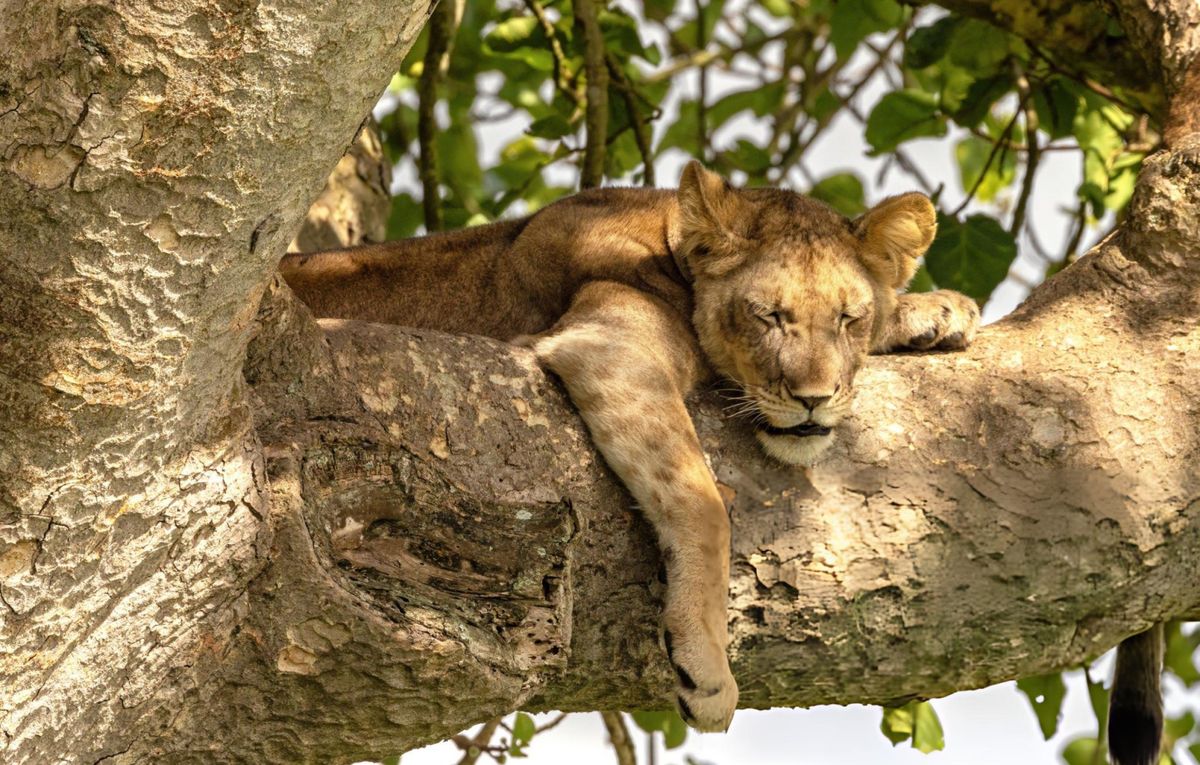
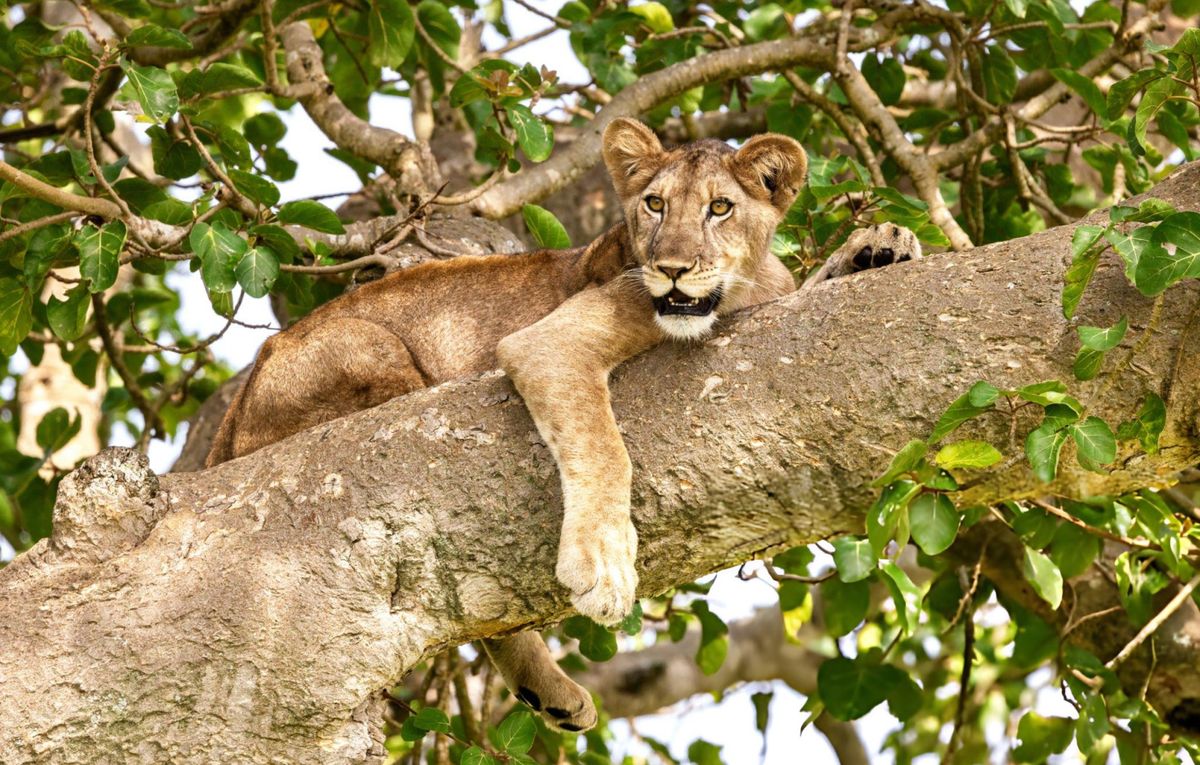
The Ishasha sector hosts one of only two populations of tree-climbing lions worldwide. These magnificent cats regularly lounge in fig and acacia trees, possibly escaping ground insects or gaining elevated hunting vantage points.
Kazinga Channel Boat Cruise
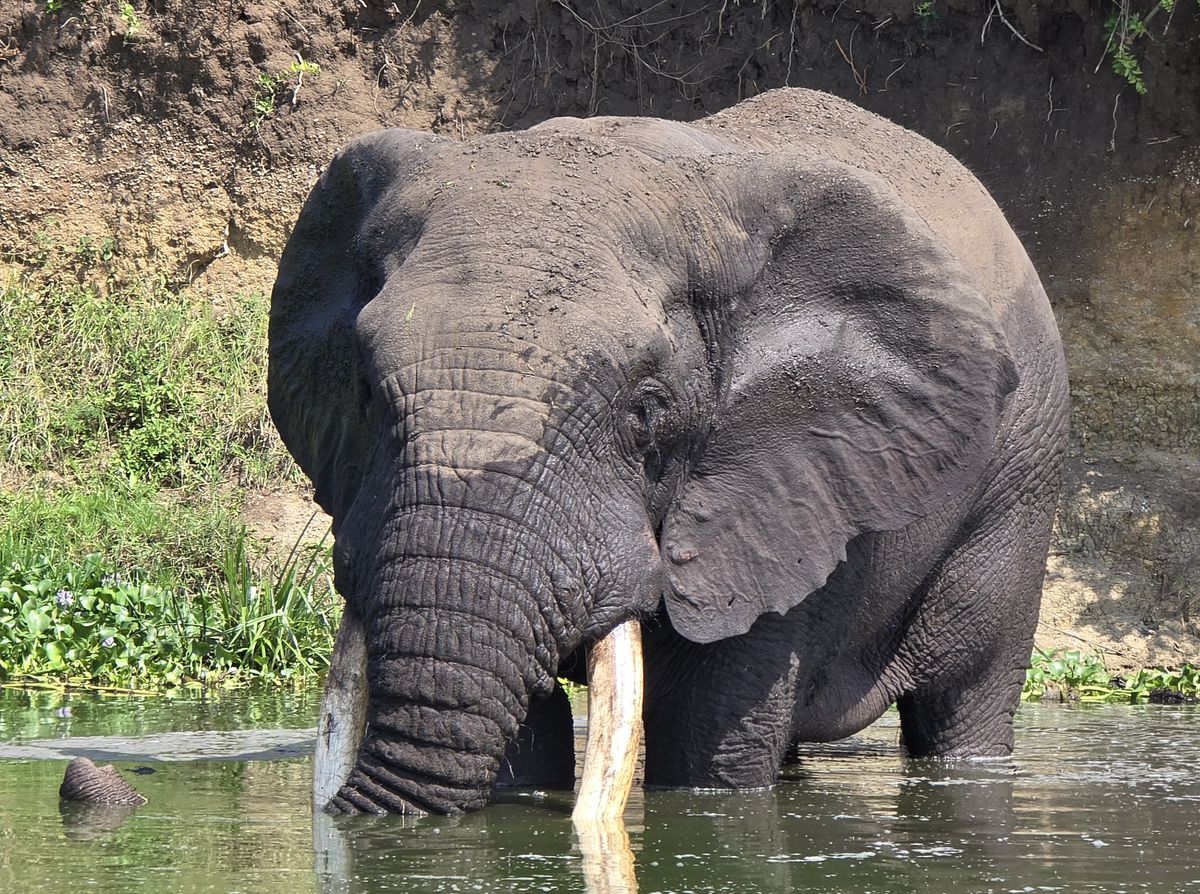
This 32-kilometer natural waterway connecting Lakes Edward and George provides Uganda's highest wildlife concentration along its banks. Two-hour cruises reveal massive hippo pods and basking crocodiles.
Kasenyi Plains Game Viewing
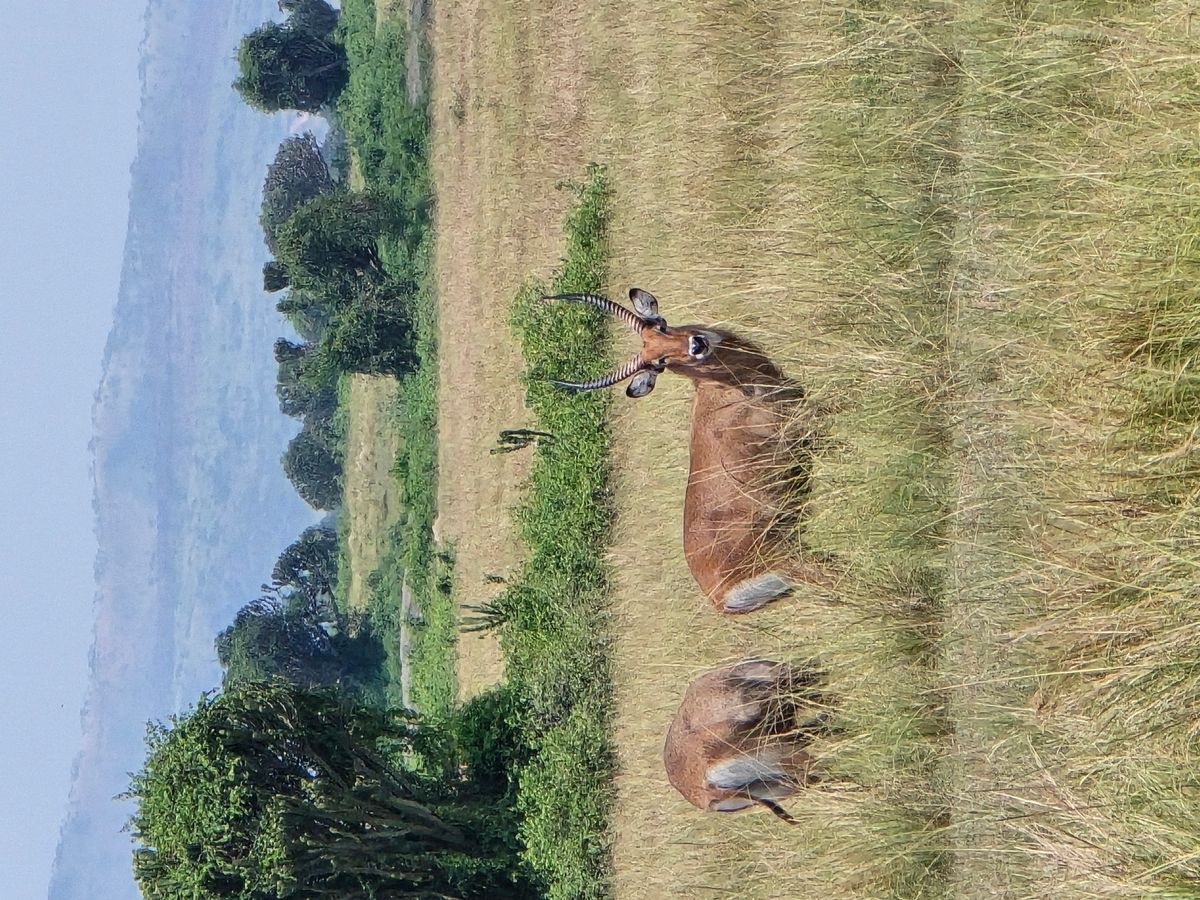
These expansive savannah grasslands offer classic African safari experiences with high lion density, large buffalo herds, elephant families, and abundant Uganda kob antelope.
Kyambura Gorge Chimpanzee Tracking
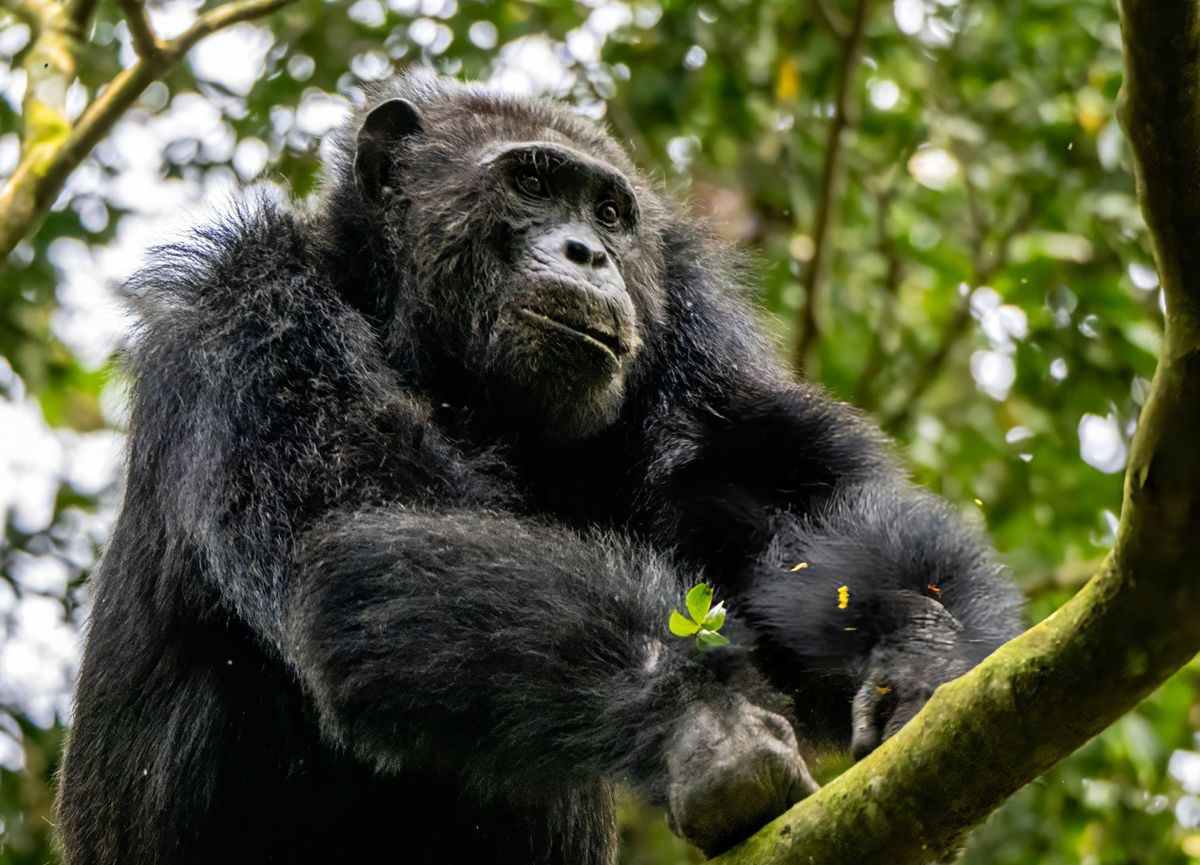
This 100-meter deep forested gorge creates an "underground rainforest" environment harboring habituated chimpanzee groups. Daily tracking expeditions offer intimate primate encounters.
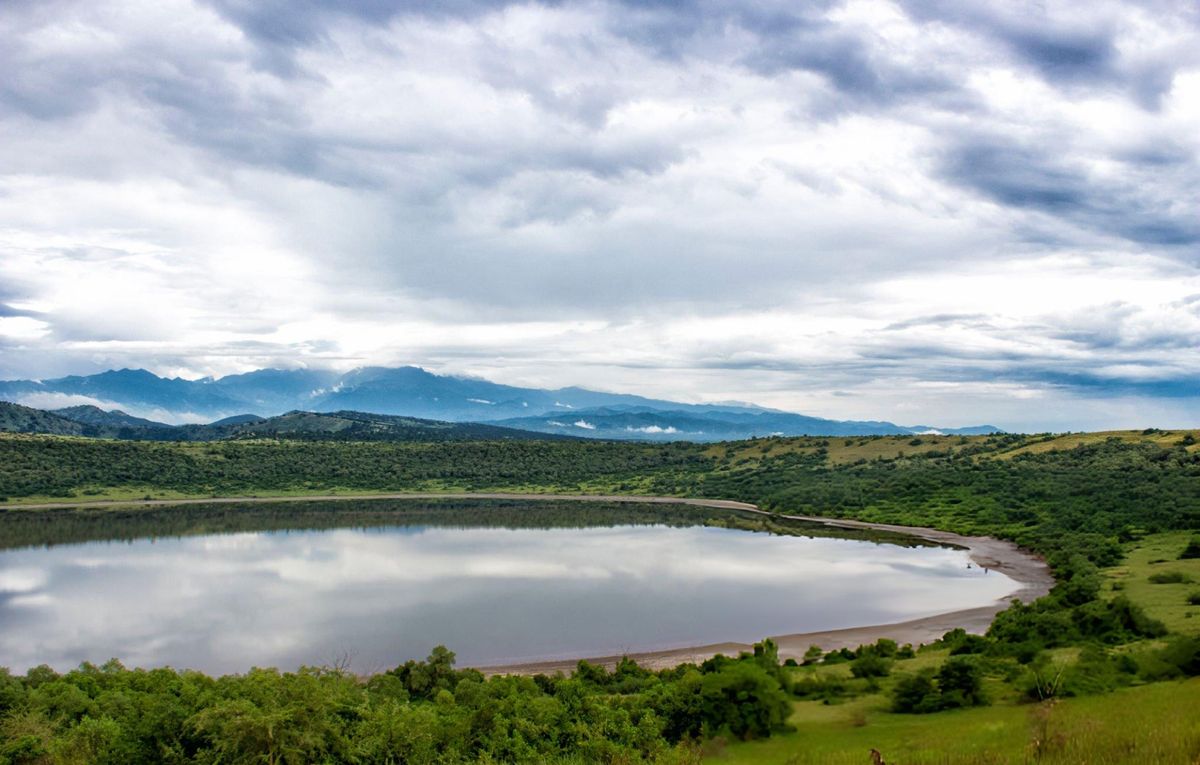
Crater Lakes Exploration
Over 100 volcanic crater lakes dot the landscape, many hosting flamingo populations and providing scenic photography opportunities. Lake Katwe features traditional salt mining operations.
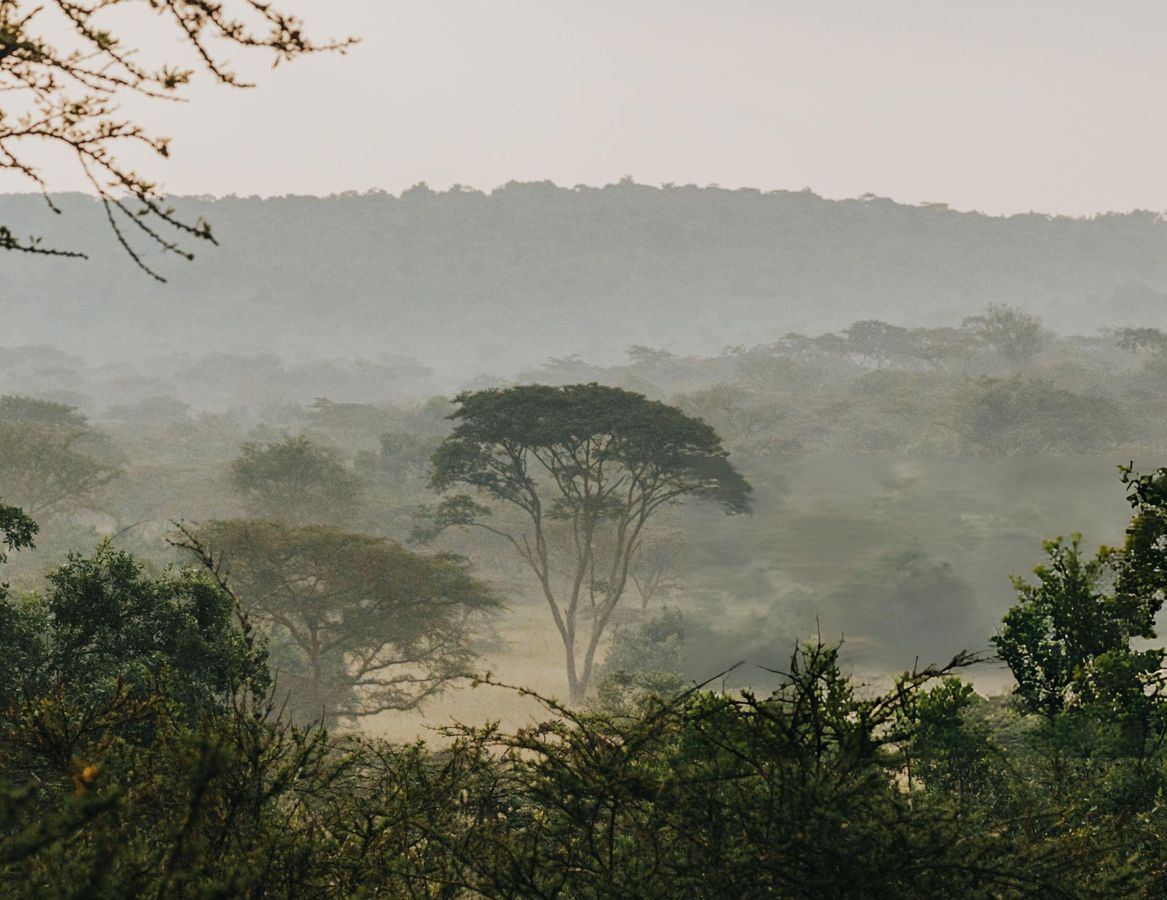
Maramagambo Forest
This remaining natural forest offers guided walking safaris through diverse habitats supporting forest primates, bird species, and unique flora. Bat caves and python encounters enhance the experience.
Featured Adventure Safari Experiences
iiscover our carefully curated safari packages featuring Queen Elizabeth National Park. Each experience combines world-class wildlife encounters with meaningful conservation impact.
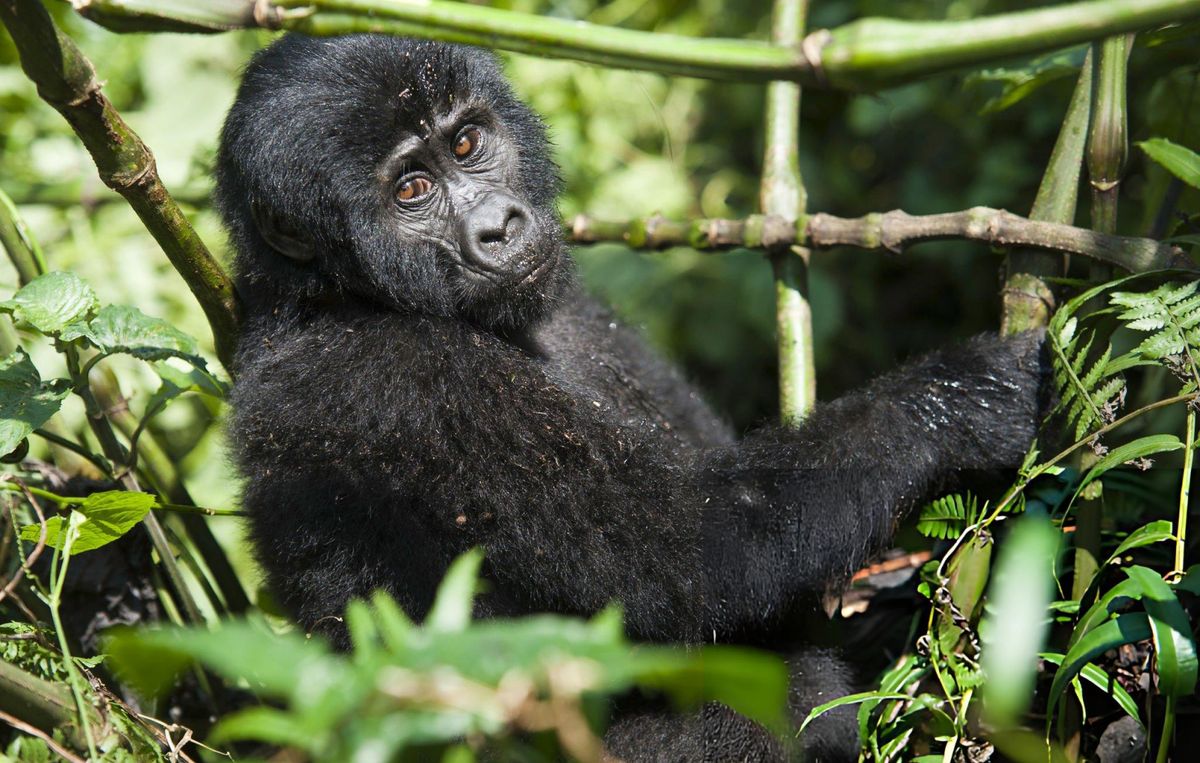
17 Days Ultimate Uganda Safari
The Complete Uganda Experience
The most comprehensive Uganda safari experience covering all major national parks, primates, and cultural encounters.
iuration
17 Days
iifficulty
Moderate
12 Days Uganda Wildlife Safari Tour
Perfect Balance of Primates & Wildlife
Perfect balance of primate encounters and classic Big Five game viewing across four spectacular national parks.
iuration
12 Days
iifficulty
Moderate
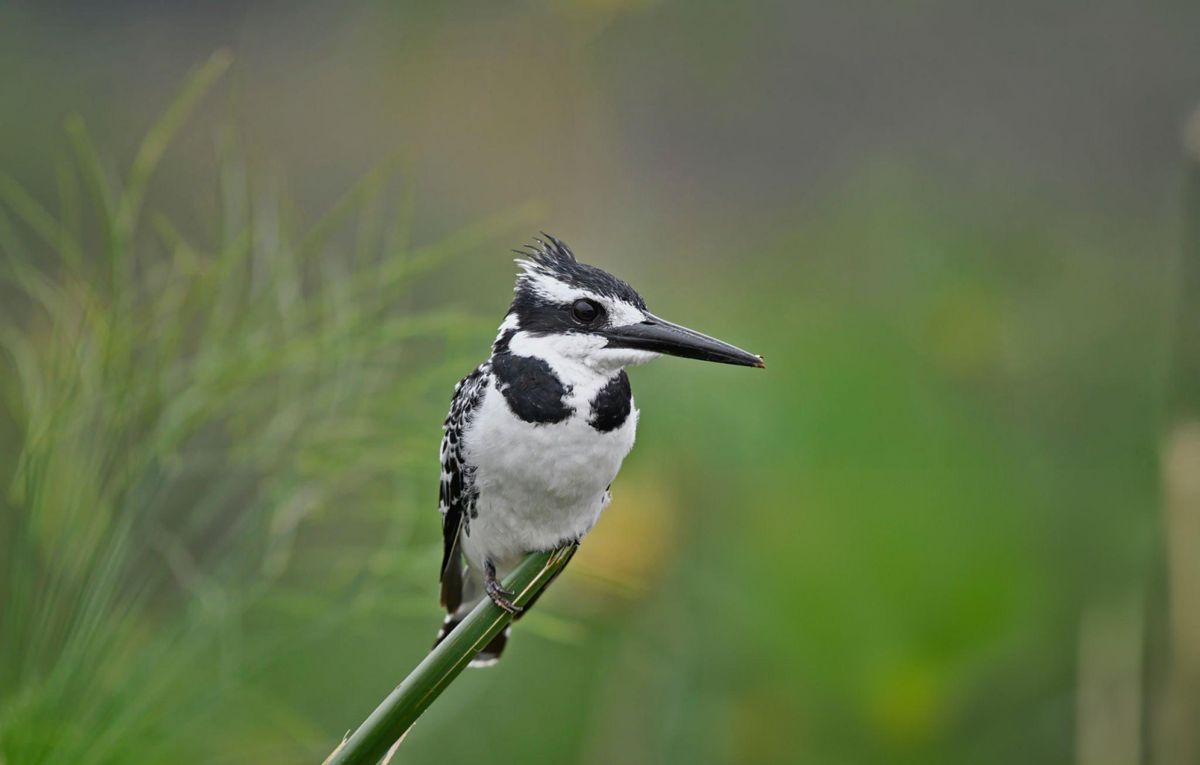
10 Days Uganda Birding Safari
Birdwatcher's Paradise
Specialist birding safari through Uganda's Western Loop targeting 300+ species including rare Albertine endemics.
iuration
10 Days
iifficulty
Moderate
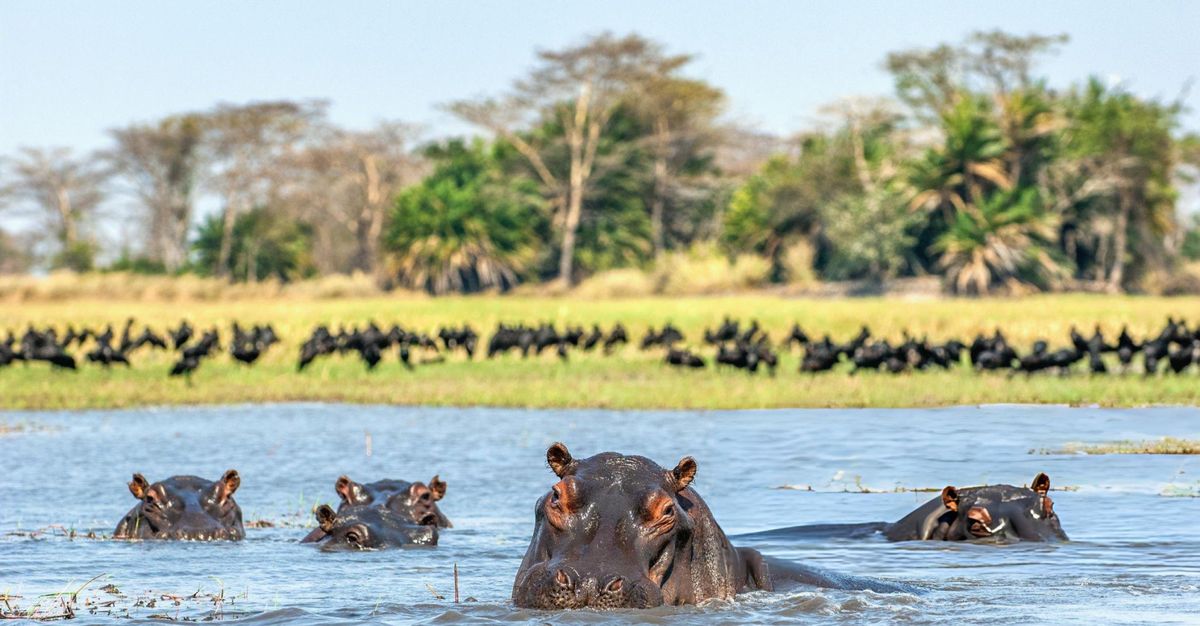
8 Days Uganda Safari Highlights
Best of Uganda in One Week
Ultimate introduction to Uganda's biodiversity combining four iconic national parks in one epic journey.
iuration
8 Days
iifficulty
Moderate
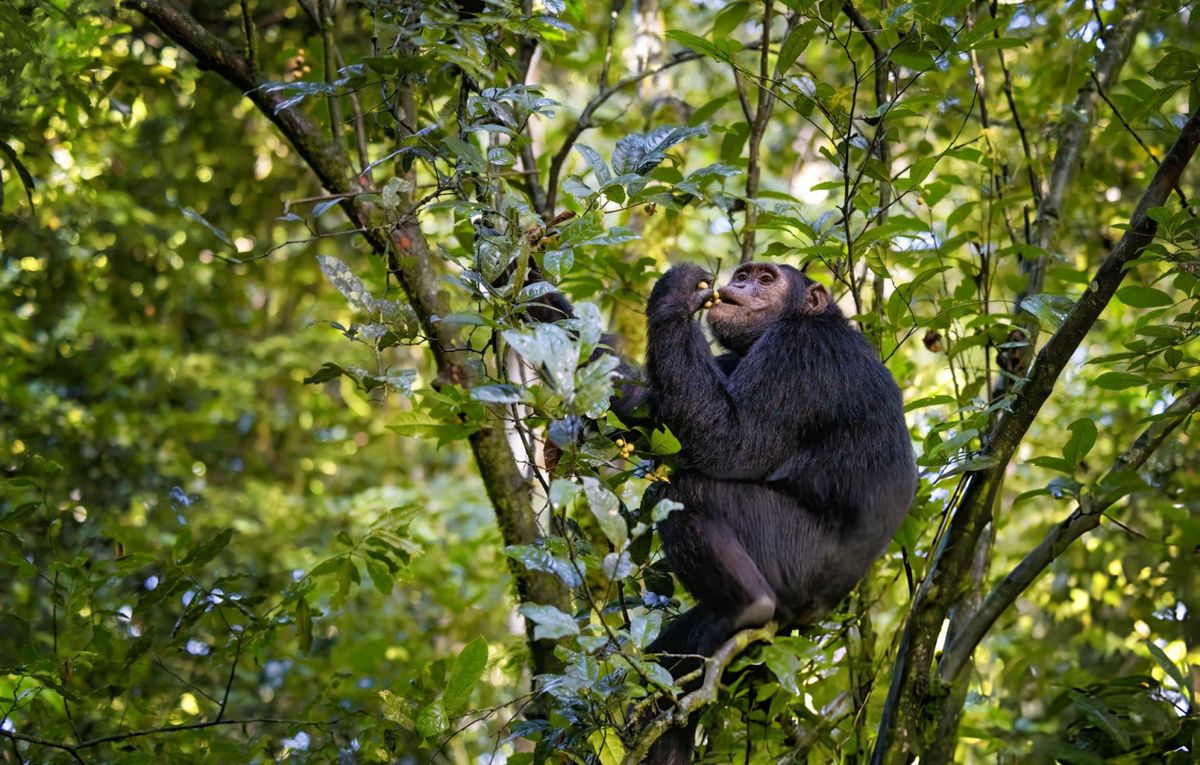
7 Days Gorilla & Chimpanzee Safari
Primate Encounters
Focused primate safari with deep, meaningful connections to our closest evolutionary relatives.
iuration
7 Days
iifficulty
Moderate
5 Day Gorillas and Lions Tour
Compact Wildlife Safari
Compact yet powerful safari combining iconic gorilla trekking with classic savannah wildlife viewing.
iuration
5 Days
iifficulty
Moderate
Travel Tips
Best Time to Visit
Dry Seasons (June-September, December-February): Best for game viewing as animals congregate around water sources. Easier road access.
Wet Seasons (March-May, October-November): Lush scenery, excellent birding, fewer tourists. Some tracks may be challenging.
Year-round destination. Plan 2-3 days minimum for full park experience.
What to Pack
Essential: Neutral-colored clothing, sun hat, sunscreen, binoculars, camera with zoom lens
Recommended: Insect repellent, light jacket for early morning drives, comfortable walking shoes
Optional: Field guide books, journal, portable charger for devices
Morning game drives can be cool. Layer clothing for comfort.
Insider Tips
Tree-Climbing Lions: Best spotted in Ishasha sector during midday heat when they rest in trees.
Boat Cruise: Afternoon cruises often better for photography with ideal lighting conditions.
Lion Tracking: Book in advance—limited slots available. Most successful in morning hours.
Combo Tip: Combine with Kibale Forest for chimp trekking (2-3 hours away).
Budgeting Tips
Park Entry: Foreign adults $40/day. Valid 24 hours from entry time.
Accommodation: Budget camping to luxury lodges ($50-$400+ per night).
Activities: Budget $30-$400 per activity depending on type. Multi-day packages offer savings.
Duration: Minimum 2 nights recommended to experience park diversity.
Frequently Asked Questions
Experience Uganda's Premier Adventure Destination
Discover the incredible diversity of Queen Elizabeth National Park, from tree-climbing lions to hippo-filled channels. Our expert guides will lead you on unforgettable wildlife encounters in one of Africa's most spectacular safari destinations.