Kidepo Valley National Park
Africa's True Wilderness: Uganda's Most Remote Adventure
Destination Overview
Kidepo Valley National Park is one of Africa's most spectacular wilderness areas, located in Uganda's remote northeastern corner in Karamoja region, approximately 700 kilometers from Kampala. Bordering South Sudan to the northwest and Kenya to the east, this 1,442 square kilometer park is Uganda's third-largest and arguably its most scenic.
CNN Travel named Kidepo among Africa's most beautiful parks for good reason. The park's dramatic semi-arid savanna landscape features wide-open plains, mountain ranges, and seasonal rivers creating exceptional wildlife viewing. With 77 mammal species (including unique wildlife found nowhere else in Uganda), 475 bird species, and Karamojong cultural encounters, Kidepo delivers authentic African wilderness experiences with minimal tourist crowds.
Size
1,442 km²
Distance from Kampala
700 km (10-12 hours)
Mammal Species
77 species
Bird Species
475+
How to Get There
By Air (Recommended)
Kidepo Airstrip: Daily scheduled flights from Entebbe (2 hours). Most convenient option given distance.
Operators: Aerolink Uganda operates regular flights. Charter flights also available.
Cost-Effective: For groups or limited time, flying is practical alternative to long drive.
Flight arrives directly at park headquarters. Ground transfers minimal.
By Road from Kampala
Distance: 700 km via Gulu to Lokumoit Gate
Travel Time: 10-12 hours. 4WD essential for final sections.
Route: Kampala → Luwero → Gulu → Kitgum → Kidepo. Well-maintained tarmac to Kitgum, then murram.
Long but scenic journey. Most visitors prefer flying given remoteness.
Remote Location
Isolation Advantage: Remoteness creates authentic wilderness with minimal crowds.
From Kenya: Cross-border access possible via Lokichogio. Requires advance arrangements.
Planning Essential: Book flights, accommodation, and activities well in advance.
Remoteness is part of the appeal. Proper planning ensures smooth experience.
Key Highlights
Unique Wildlife Species
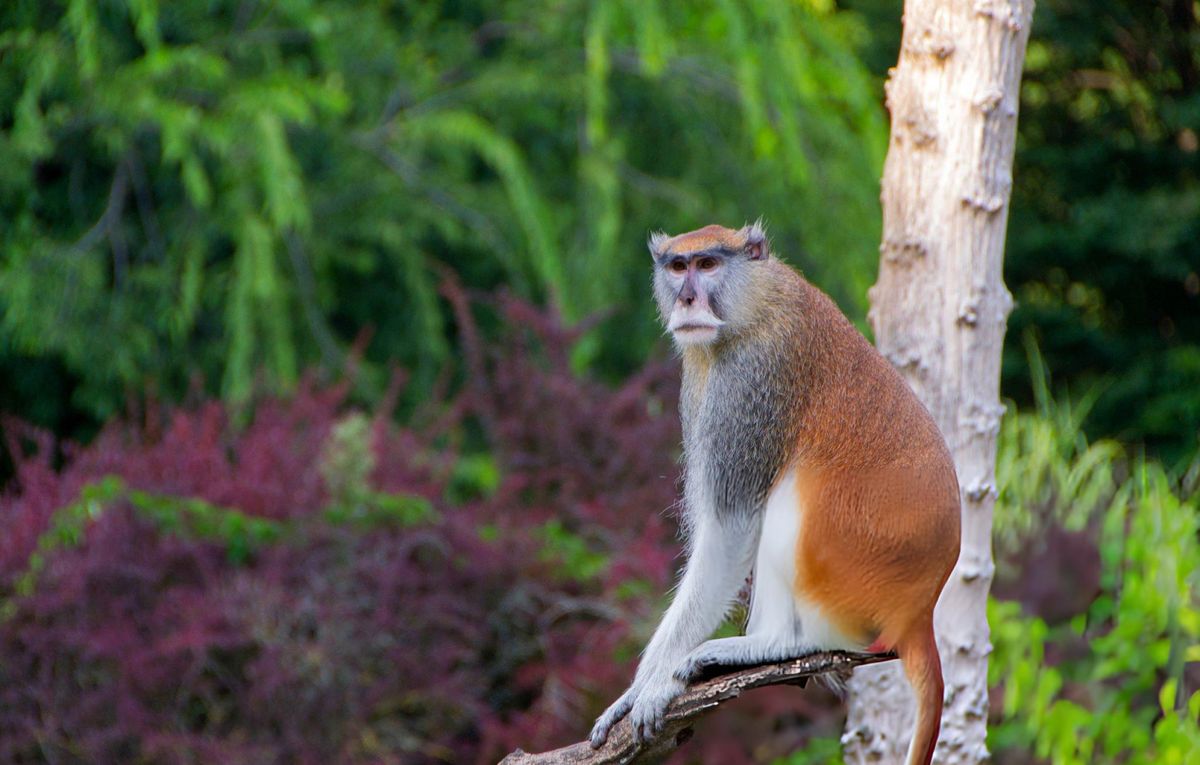
Only Ugandan park with cheetahs, bat-eared foxes, aardwolves, caracals, and ostriches. These dry-country specialists found nowhere else in Uganda create exceptional wildlife diversity.

Narus Valley
This seasonal wetland becomes the park's wildlife magnet during dry seasons. Exceptional concentrations of buffalo, elephants, zebras, and predators gather around the only reliable water source.

Dramatic Landscapes
Golden savanna plains stretch to distant mountain ranges including Mount Morungole and the Napore range. CNN named Kidepo among Africa's most beautiful parks for spectacular scenery.

Kanangorok Hot Springs
Geothermal springs in the Kidepo Valley reach 50°C. The springs create unique ecosystems along seasonal Kidepo River surrounded by distinctive doum palm forests.
Karamojong Culture
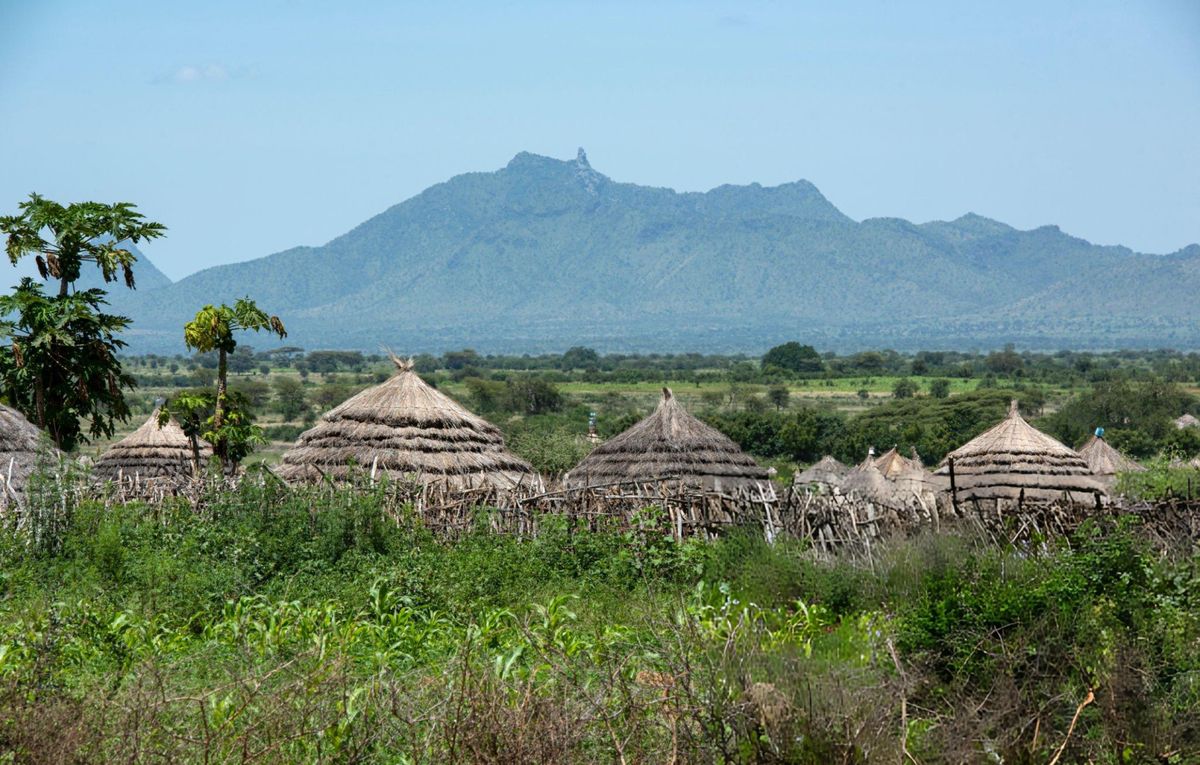
Semi-nomadic Karamojong people maintain traditional pastoralist lifestyles. Cultural encounters reveal cattle-keeping practices, warrior heritage, traditional dances, and ancient customs.
475 Bird Species
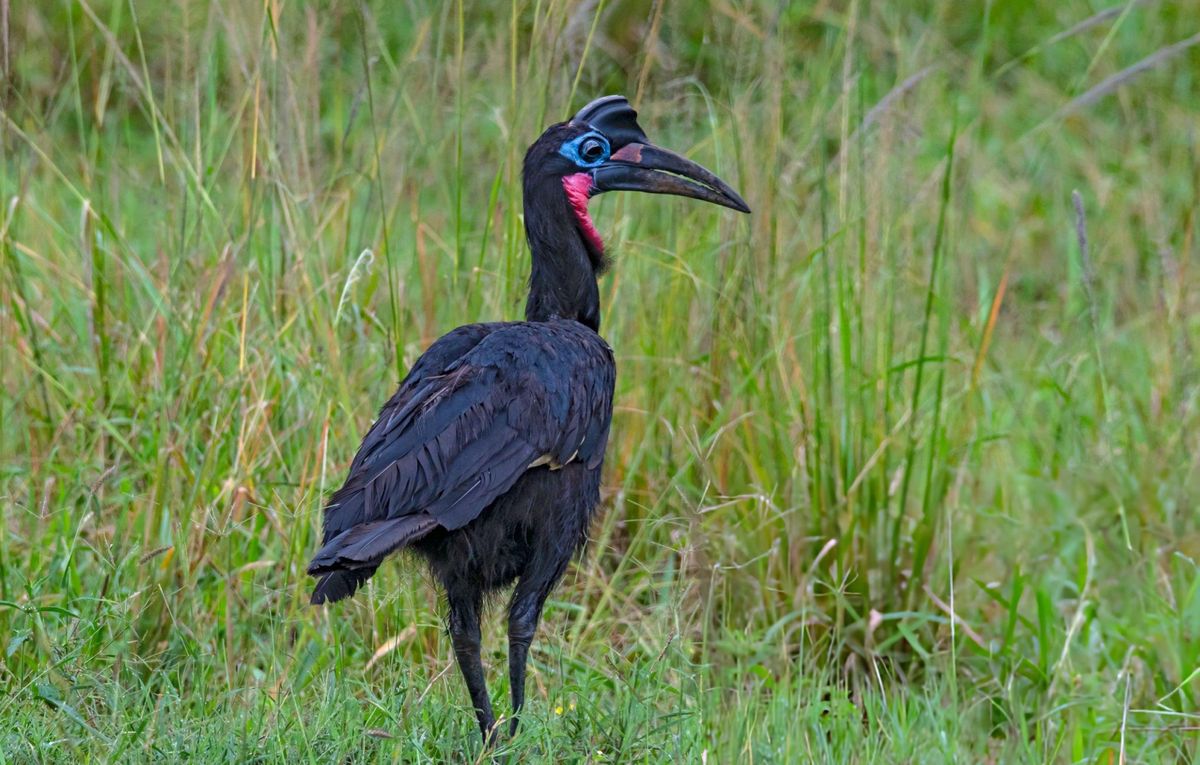
56 raptor species and dry-country specialists including ostriches (Uganda's only population), secretary birds, kori bustards, Abyssinian ground hornbills, and Karamoja apalis endemic.
Travel Tips
Best Time to Visit
Dry Seasons (December-March, June-October): Optimal wildlife viewing as animals concentrate around Narus Valley water sources. Roads easily navigable. Peak season.
Wet Seasons (April-May, November): Lush green landscapes, excellent birding with migrants. Wildlife disperses but scenery spectacular. Fewer visitors.
Dry season critical for best experience. Wet season roads can be challenging even with 4WD.
What to Pack
Essential: Sunhat, sunscreen (high SPF), sunglasses, light breathable clothing, warm layers for cool mornings
Photography: Telephoto lens for wildlife, wide-angle for landscapes, extra batteries and memory cards
Recommended: Binoculars, field guides, dust bags for equipment, water bottle, insect repellent
Semi-arid climate means hot days, cool nights. Dress in layers. Neutral colors for game drives.
Health & Safety
Malaria: Lower risk than tropical areas but prophylaxis still recommended. Use repellent at dawn/dusk.
Sun Protection: Strong equatorial sun. Essential to use high SPF sunscreen, wear hats, stay hydrated.
Remoteness: Limited medical facilities. Ensure comprehensive travel insurance. Bring essential medications.
Security: Park is safe. Karamoja region stable. Follow ranger and lodge guidance.
Budgeting Tips
Duration: Minimum 3-4 days recommended given travel distance. Flying essential unless combining with Murchison Falls.
Flight Costs: Budget $250-400 per person for scheduled flights. Worth the investment versus 10-12 hour drive.
Accommodation: Limited options. Book luxury lodges or budget Apoka Bandas well in advance.
Best Value: Visit during dry season for optimal wildlife viewing. Combine cultural experiences with game drives.
Frequently Asked Questions
Discover Africa's Last True Wilderness
Venture into Uganda's remote northeast and experience the raw beauty of Kidepo Valley. From unique wildlife species to ancient cultural traditions and spectacular savanna landscapes, Kidepo offers an authentic African adventure far from the beaten path. This is safari at its most pristine.