Kibale National Park
The Primate Capital of the World
Destination Overview
Kibale National Park is a protected tropical rainforest located in western Uganda, approximately 358 kilometers from Kampala and just 26 kilometers southeast of the picturesque town of Fort Portal. The park spans 795 square kilometers and occupies an elevated position on the Fort Portal plateau, with altitudes ranging from 1,100 to 1,600 meters above sea level.
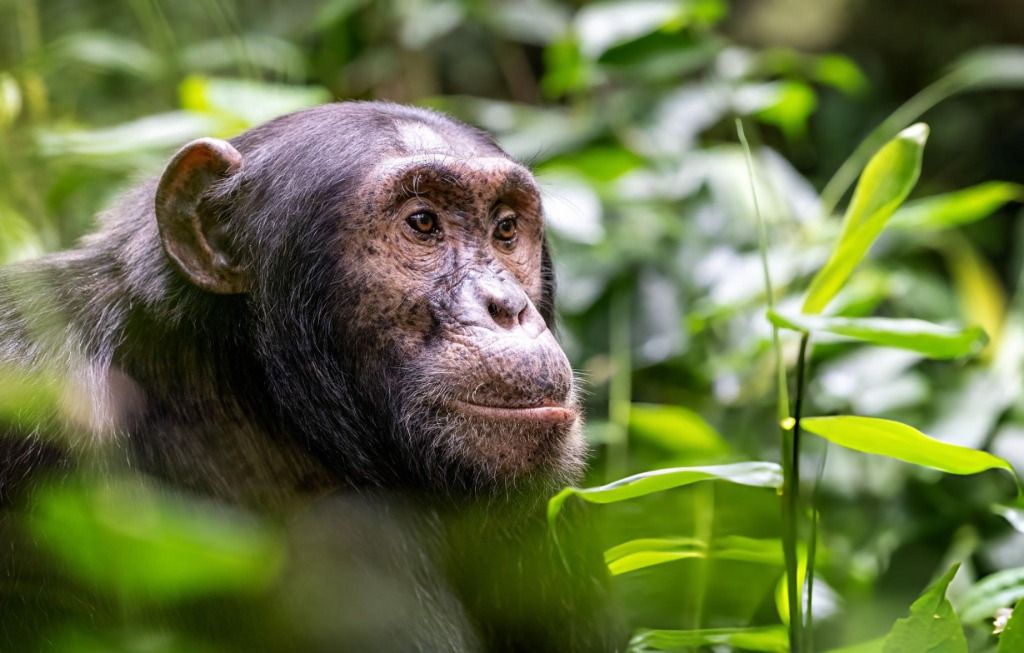
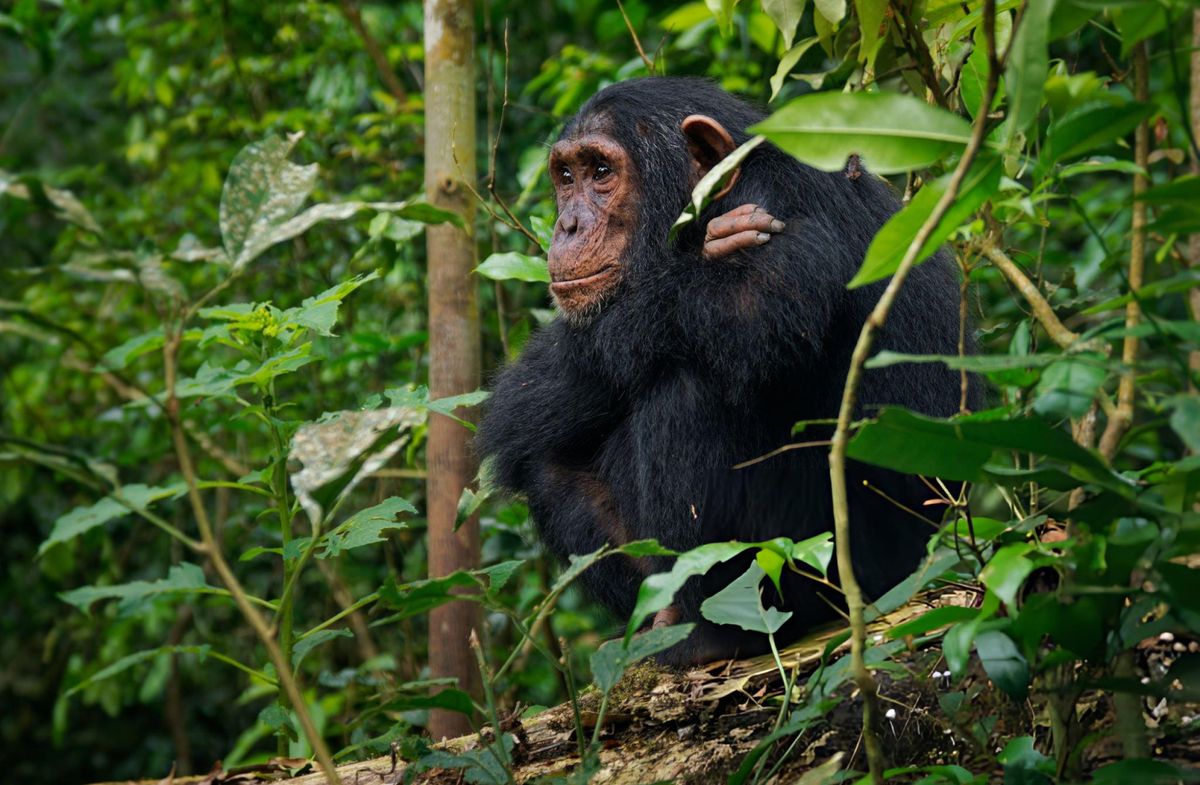
Renowned worldwide as the "Primate Capital of the World," Kibale protects one of Africa's most impressive concentrations of primates. The park is home to 1,450 chimpanzees—our closest living relatives—and an incredible 13 primate species in total. Beyond primates, Kibale's lush rainforest ecosystem harbors 375 bird species, 250 butterfly species, and a rich diversity of flora making it one of East Africa's most biodiverse protected areas.
Size
795 km²
Altitude
1,100-1,600m
Primate Species
13 species
Chimpanzees
1,450 individuals
How to Get There
By Road from Kampala
Distance: 358 km via Fort Portal route
Travel Time: 5-6 hours through scenic western Uganda countryside
Route: Kampala → Mubende → Fort Portal → Kibale (well-maintained tarmac)
Alternative route via Mbarara and Queen Elizabeth National Park (7-8 hours). Ideal for combined adventures.
By Air
Kasese Airfield: Charter flights from Entebbe (1 hour flight). Located 2-3 hours drive from Kibale.
Best For: Time-conscious travelers or those combining with Rwenzori Mountains or Queen Elizabeth NP.
Charter flights can be arranged through aviation operators. Road transfer from airfield to park included in tour packages.
From Other Parks
Queen Elizabeth NP: 2-3 hours drive through beautiful countryside and crater lake region.
Semuliki Valley NP: 1.5-2 hours drive from Fort Portal area.
Bwindi Forest: 6-7 hours via Mbarara. Perfect for primate-focused itineraries.
Kibale combines perfectly with western Uganda circuit adventures.
Key Highlights
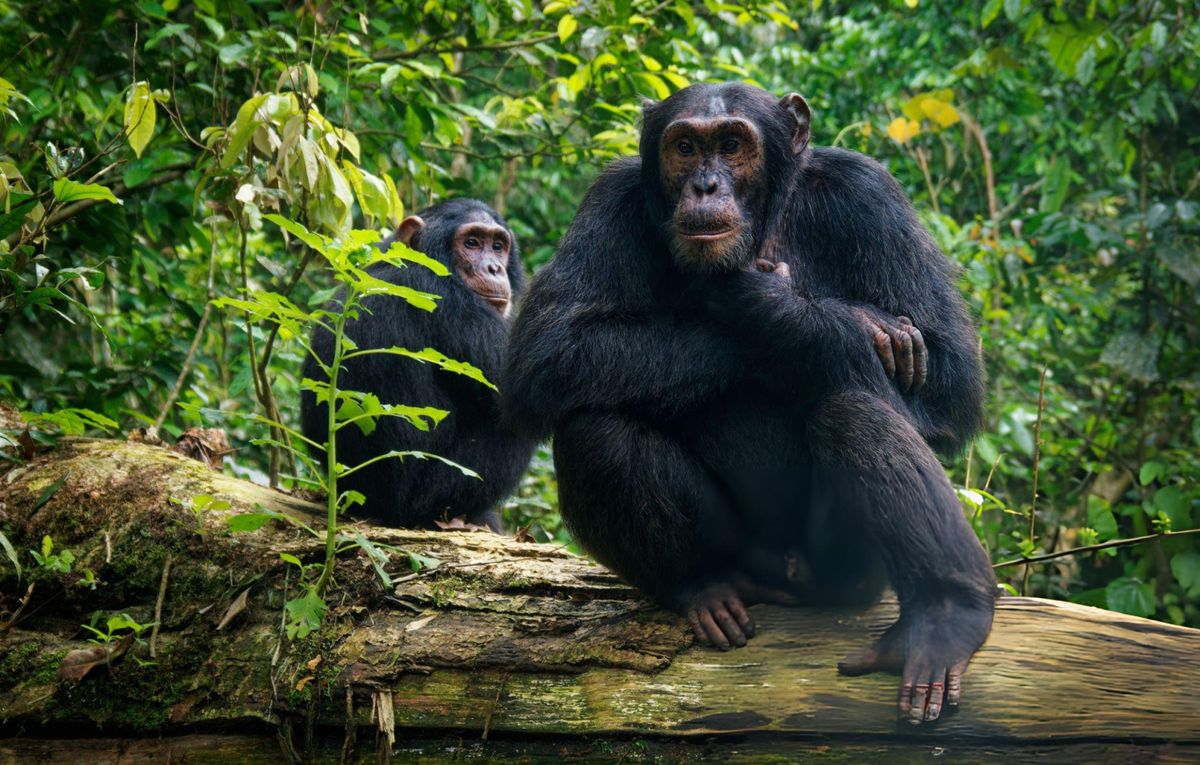
Primate Capital of the World
With 13 primate species including 1,450 chimpanzees, Kibale offers the highest primate density in Africa. Red colobus, L'Hoest's monkey, blue monkey, grey-cheeked mangabey, red-tailed monkey, and black-and-white colobus thrive here.
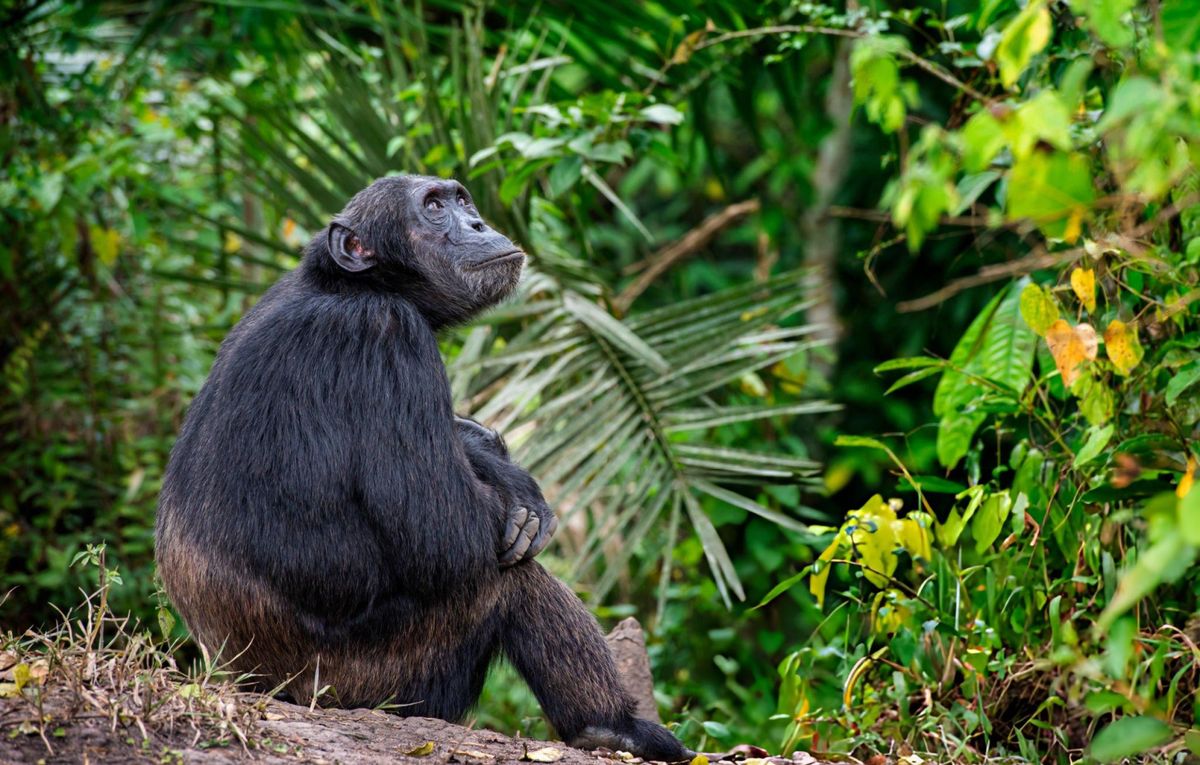
Exceptional Chimpanzee Trekking
Kibale offers the world's best chimpanzee trekking with 90% success rates. Habituated communities allow close encounters with these intelligent primates in their natural forest habitat.
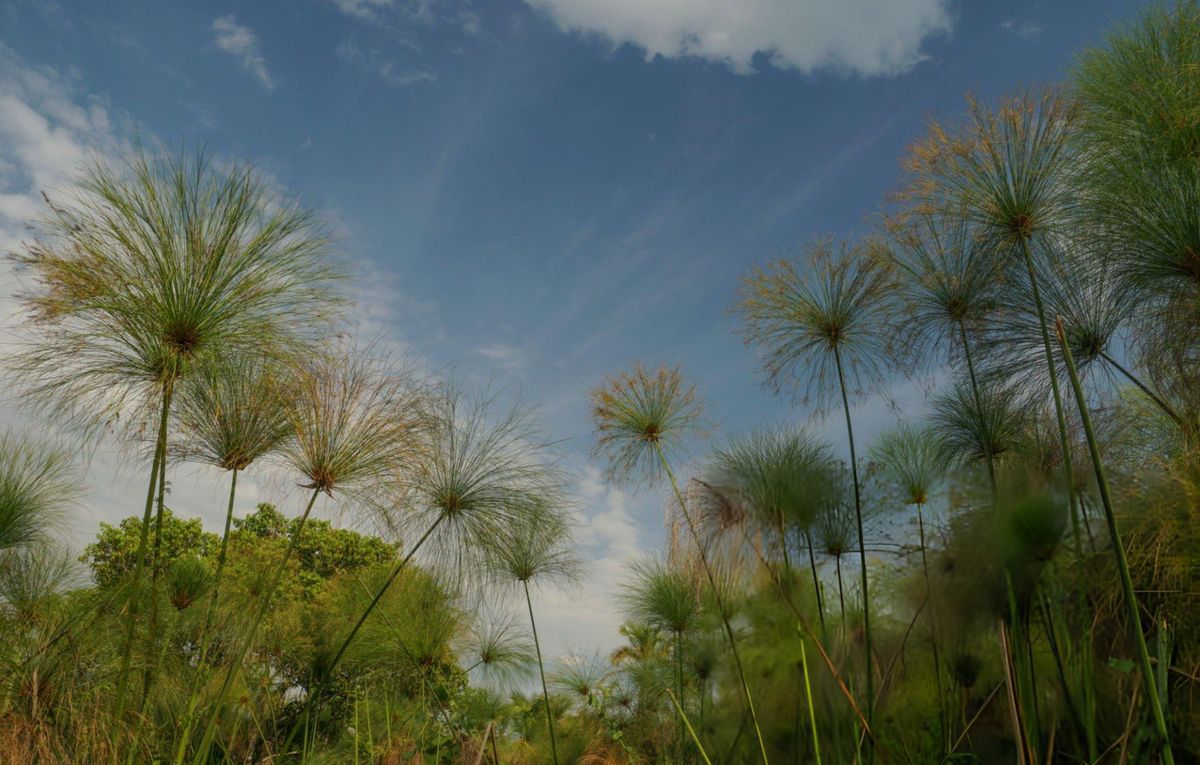
Bigodi Wetland Sanctuary
This community-managed 4km boardwalk trail showcases 8 primate species and 138 bird species. A model ecotourism project directly benefiting local communities through Sustainable Tourism.
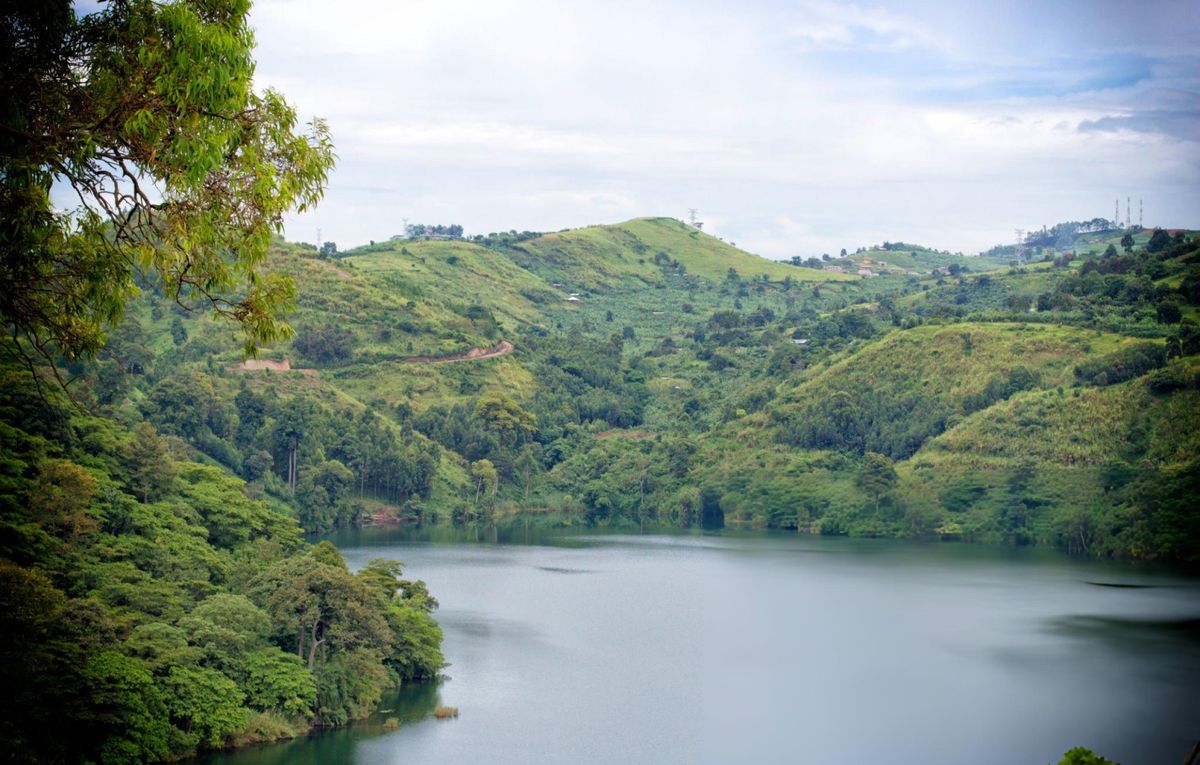
Crater Lakes Region
Dozens of picturesque volcanic crater lakes dot the landscape between Kibale and Fort Portal. These stunning turquoise and emerald pools create spectacular photo opportunities and hiking destinations.
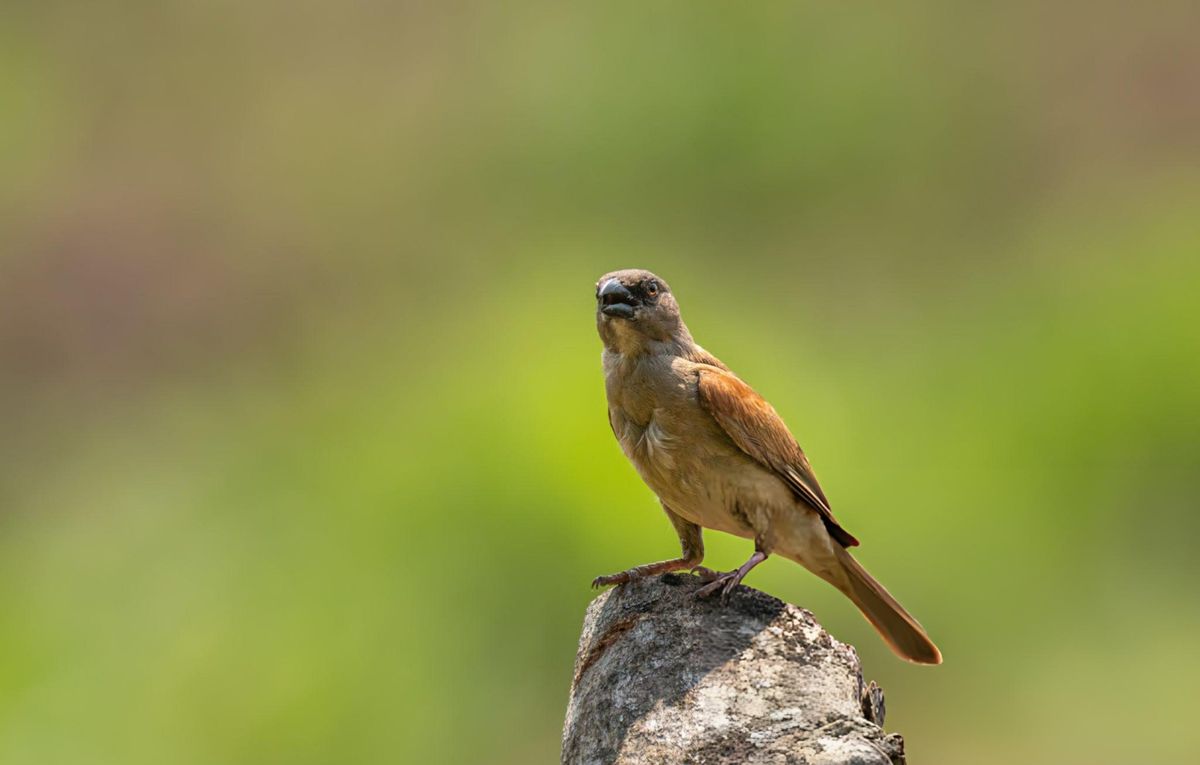
Premier Birding Destination
375 bird species including African grey parrot, green-breasted pitta, and 6 Albertine Rift endemics. Exceptional diversity from forest canopy to wetland habitats makes Kibale a birder's paradise.
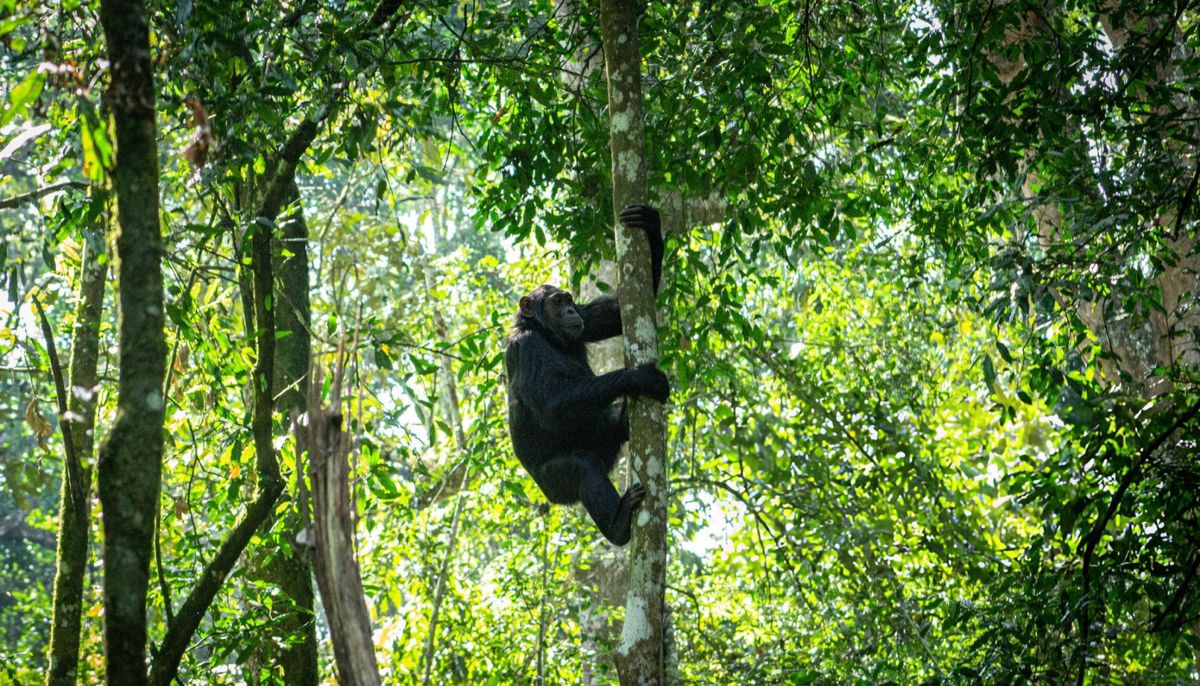
Ancient Tropical Rainforest
Pristine mid-altitude moist evergreen and semi-deciduous forest creates a cathedral-like canopy. Giant forest trees tower over 55 meters, supporting complex ecosystems and incredible biodiversity.
Featured Adventure Safari Experiences
iiscover our carefully curated safari packages featuring Kibale National Park. Each experience combines world-class wildlife encounters with meaningful conservation impact.
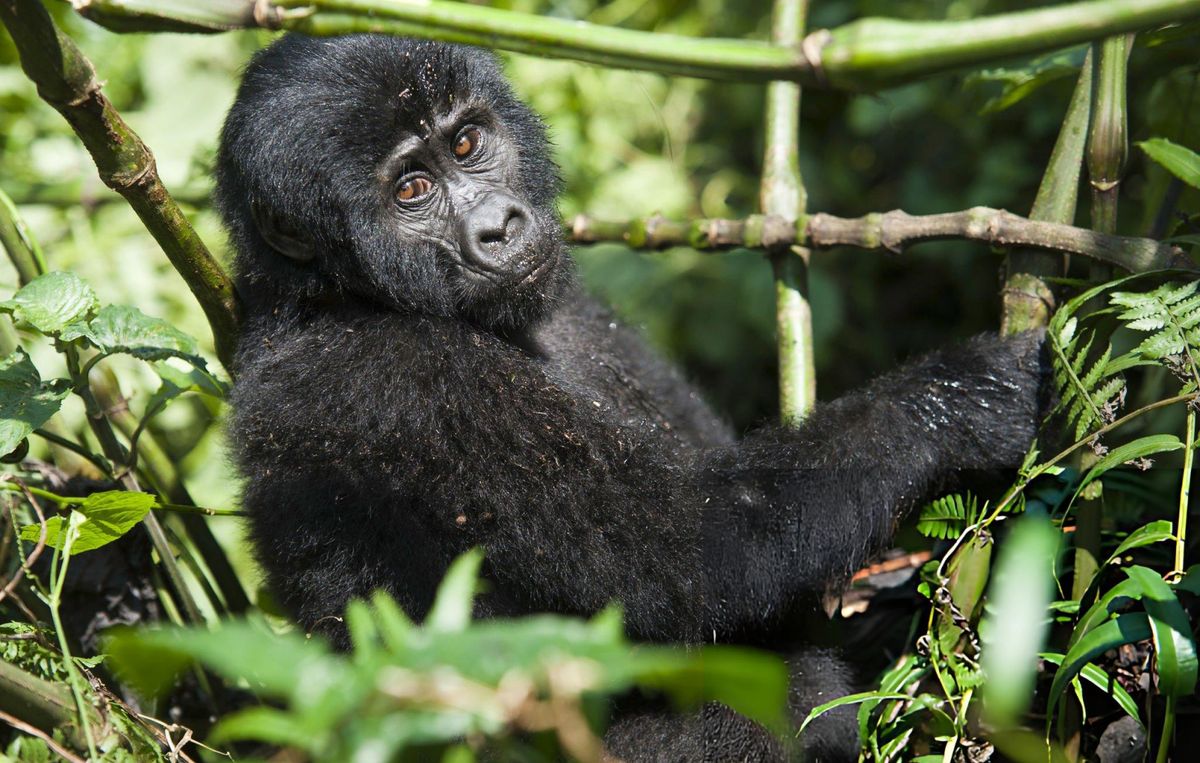
17 Days Ultimate Uganda Safari
The Complete Uganda Experience
The most comprehensive Uganda safari experience covering all major national parks, primates, and cultural encounters.
iuration
17 Days
iifficulty
Moderate
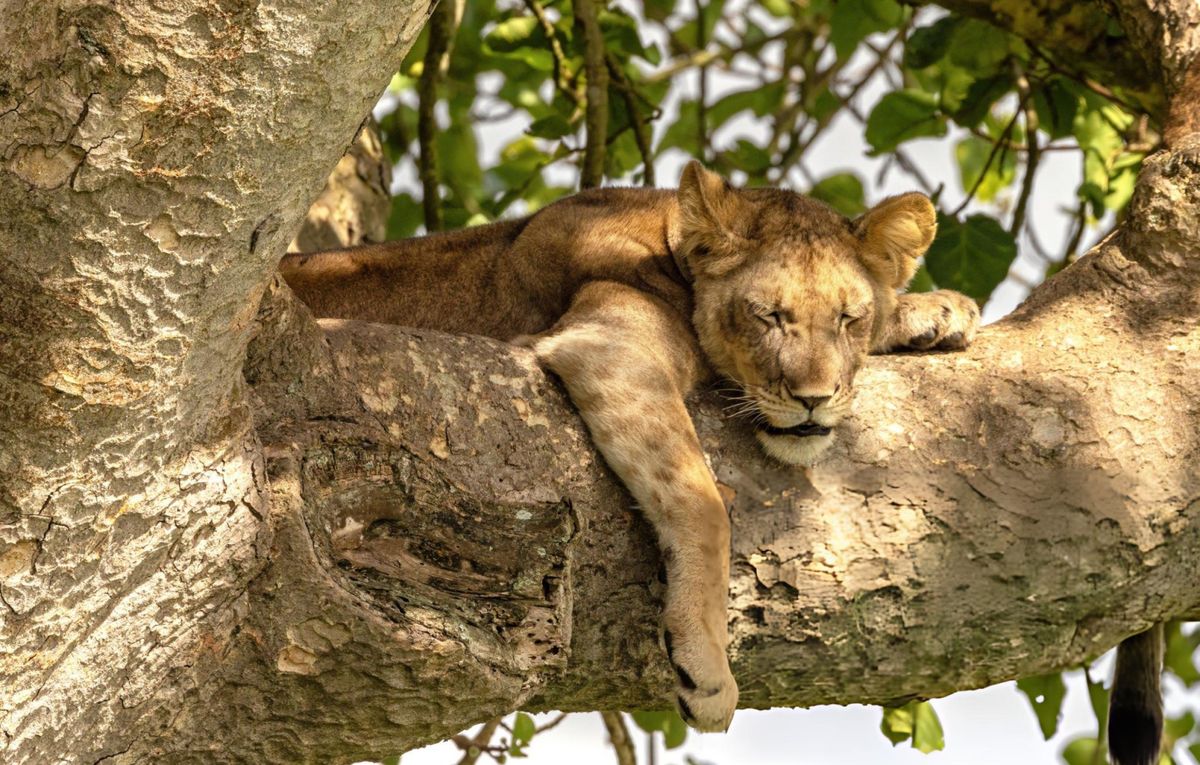
12 Days Uganda Wildlife Safari Tour
Perfect Balance of Primates & Wildlife
Perfect balance of primate encounters and classic Big Five game viewing across four spectacular national parks.
iuration
12 Days
iifficulty
Moderate
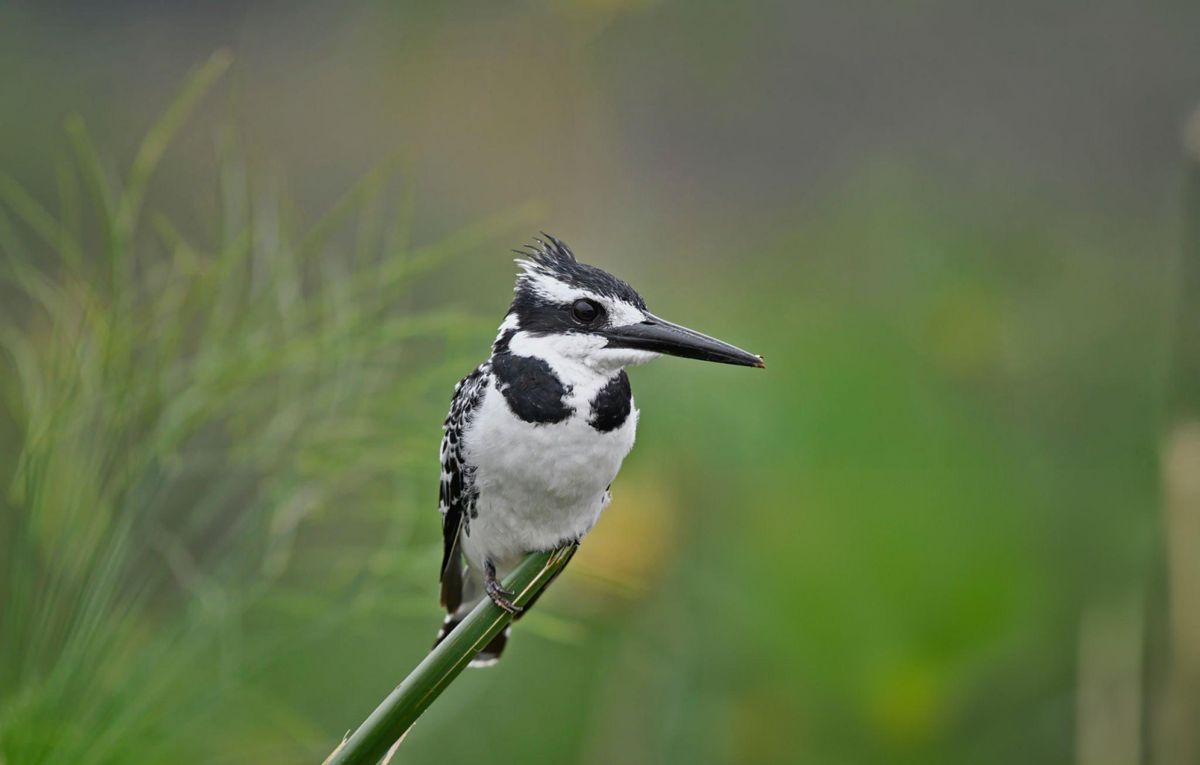
10 Days Uganda Birding Safari
Birdwatcher's Paradise
Specialist birding safari through Uganda's Western Loop targeting 300+ species including rare Albertine endemics.
iuration
10 Days
iifficulty
Moderate
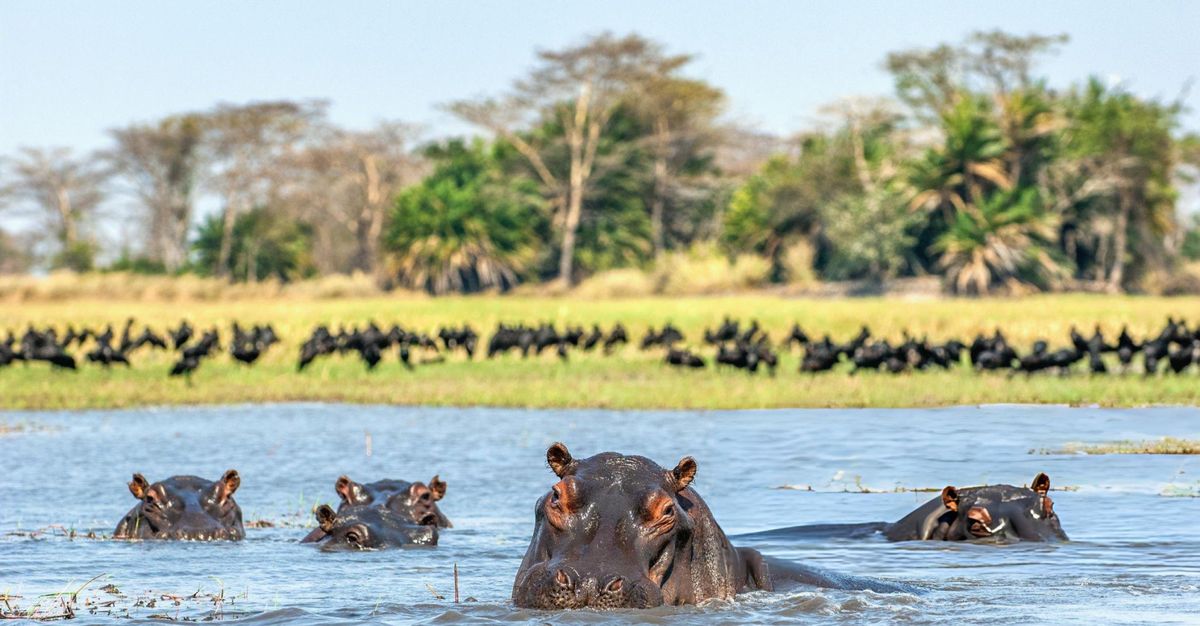
8 Days Uganda Safari Highlights
Best of Uganda in One Week
Ultimate introduction to Uganda's biodiversity combining four iconic national parks in one epic journey.
iuration
8 Days
iifficulty
Moderate
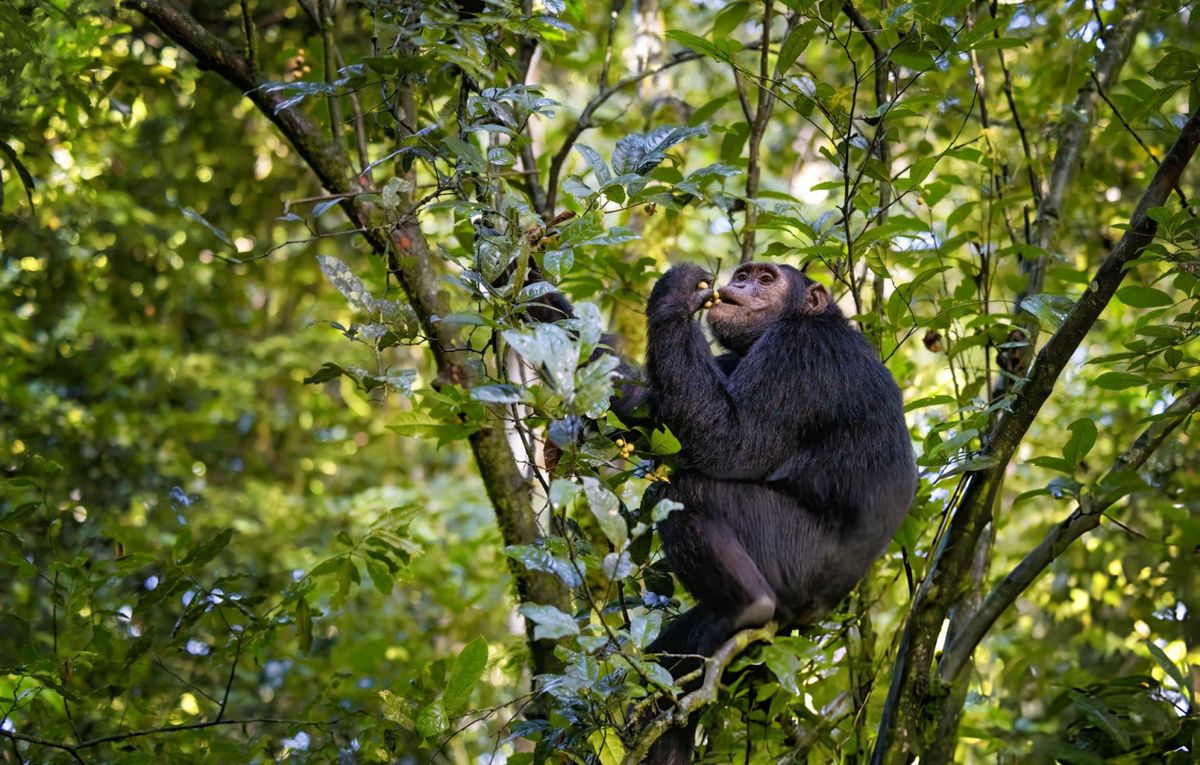
7 Days Gorilla & Chimpanzee Safari
Primate Encounters
Focused primate safari with deep, meaningful connections to our closest evolutionary relatives.
iuration
7 Days
iifficulty
Moderate
3 Days Chimpanzee & Cultural Safari: Kibale
Primate Capital Experience
Perfect weekend escape combining chimpanzee trekking with cultural immersion in the Primate Capital.
iuration
3 Days
iifficulty
Moderate
Travel Tips
Best Time to Visit
Dry Seasons (December-February, June-September): Optimal trekking conditions with less muddy trails and easier forest navigation. Peak season for chimp tracking.
Wet Seasons (March-May, October-November): Lush forest scenery with abundant fruit attracting chimps. Fewer visitors mean more exclusive experiences despite occasional rain.
Chimpanzee tracking available year-round. Book permits 2-3 months in advance for dry season.
What to Pack
Essential: Sturdy hiking boots, rain jacket, long pants and sleeves (protection from nettles), gardening gloves
Recommended: Daypack, insect repellent, sunscreen, hat, reusable water bottle, binoculars
Camera Gear: No flash allowed near primates. Bring extra batteries and memory cards
Dress in neutral earth-tone colors. Porters available to assist on treks for small fee.
Health & Safety
Fitness Level: Moderate fitness required for chimp trekking. Treks can last 2-5 hours over uneven forest terrain.
Vaccinations: Yellow fever certificate required. Malaria prophylaxis recommended for tropical lowlands.
Age Limit: Minimum age 12 years for chimpanzee trekking and habituation.
Health Screening: Anyone with contagious illness will not be permitted to trek (protects primates from human diseases).
Budgeting Tips
Daily Budget: Mid-range travelers should budget $150-250 per day including accommodation, permits, meals, and activities.
Permits: Chimpanzee trekking permits and habituation must be booked in advance through Uganda Wildlife Authority or tour operators.
Accommodation: Wide range from budget guesthouses to luxury lodges. Book early for dry season.
Tipping: Budget for guide and porter tips (typically $5-10 per person for half-day activities).
Frequently Asked Questions
Experience the Primate Capital of the World
Embark on an unforgettable journey into Kibale's lush rainforest. Track habituated chimpanzees, discover 13 primate species, and immerse yourself in one of Africa's most biodiverse ecosystems. Our expert guides ensure exceptional wildlife encounters while supporting vital conservation efforts.