Virunga Volcano Climbing
Summit three dramatic volcanic peaks where Uganda, Rwanda, and Congo meet
Conquer the Virunga Volcanoes
The Virunga Mountains form a dramatic chain of eight volcanic peaks straddling the borders of Uganda, Rwanda, and the Democratic Republic of Congo. In Uganda's Mgahinga Gorilla National Park, you can climb three of these magnificent volcanoes—Mount Muhabura, Mount Gahinga, and Mount Sabyinyo—each offering unique challenges, stunning landscapes, and unforgettable summit experiences. These ancient volcanoes, part of the Albertine Rift's volcanic arc, rise dramatically from the surrounding landscape, their slopes cloaked in bamboo forests, Afro-montane vegetation, and otherworldly giant lobelias.
What makes Virunga volcano climbing truly special is the diversity of experiences across the three peaks. Mount Muhabura, at 4,127 meters, is Uganda's third-highest mountain and the steepest of the trio, rewarding climbers with a crystalline crater lake at its summit and panoramic views across the entire Virunga range. Mount Gahinga (3,474m) offers a more moderate climb through lush bamboo forests to a swampy crater summit. Mount Sabyinyo (3,669m), known as "Old Man's Teeth" for its jagged peaks, provides the ultimate adventure with wooden ladders scaling steep ridges to reach the tri-border point where you can literally stand in three countries simultaneously.
The Volcanic Landscape
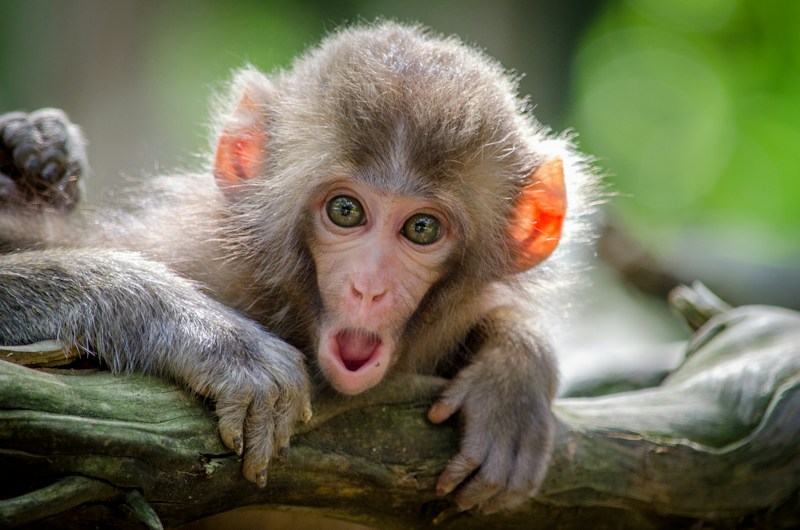
These volcanoes are part of the Virunga Massif, formed by volcanic activity along the Albertine Rift over millions of years. The last eruptions occurred thousands of years ago, leaving behind the dramatic peaks, craters, and unique ecosystems you'll explore today. As you ascend, you'll pass through distinct vegetation zones: cultivated farmland at the base, dense montane forest rich with golden monkeys and birds, extensive bamboo zones where mountain gorillas feed, heath and moorland dominated by giant groundsels and lobelias, and finally the rocky alpine zone near the summits.
The volcanic soil supports incredibly rich biodiversity. Mgahinga Gorilla National Park, though Uganda's smallest at just 33.7 square kilometers, protects endangered mountain gorillas, golden monkeys, forest elephants, and over 180 bird species. The bamboo forests covering the lower slopes provide crucial habitat and food for gorillas, while the higher elevations host unique Afro-alpine species found nowhere else. Your climb contributes directly to protecting this fragile ecosystem through park fees that fund conservation, anti-poaching patrols, and community development programs.
Cultural and Historical Significance
The Virunga Mountains hold deep cultural significance for the Batwa people, the original forest inhabitants who lived on these slopes for thousands of years before the park's establishment. Today, you can combine your volcano climb with the Batwa Trail to learn about their traditional forest life, medicinal plant knowledge, and spiritual connection to these mountains. The volcanoes also played a crucial role in mountain gorilla conservation history—Dian Fossey conducted her groundbreaking research on the Rwandan slopes of these same mountains, and her work transformed global understanding of these gentle giants.
Choose Your Volcano
Mount Muhabura
4,127m, "The Guide"
Uganda's third-highest peak and the steepest of the Virunga volcanoes. The name "Muhabura" means "the guide" in the local language, as this prominent peak served as a navigation landmark for travelers. The challenging ascent rewards you with a stunning crater lake at the summit and 360-degree views across Uganda, Rwanda, and Congo. On clear days, you can see all eight Virunga volcanoes, Lake Edward, and the Rwenzori Mountains in the distance.
Highlights
- • Crystalline crater lake at summit
- • Steepest climb with wooden stairs
- • Panoramic Virunga range views
- • Giant lobelia forests
What to Expect
- • Significant altitude gain (1,800m)
- • Steep sections with stairs
- • Possible altitude symptoms
- • Best for fit hikers
Mount Sabyinyo
3,669m: "Old Man's Teeth"
The most adventurous climb, featuring dramatic wooden ladders scaling steep ridges and narrow paths along precipitous drops. Sabyinyo's jagged peaks earned it the nickname "Old Man's Teeth." The ultimate reward: standing at the tri-border point where Uganda, Rwanda, and the Democratic Republic of Congo meet—one of the few places on Earth where you can be in three countries simultaneously. The rugged terrain and technical sections make this the most thrilling of the three climbs.
Highlights
- • Stand in 3 countries at once
- • Wooden ladder sections
- • Dramatic ridge walking
- • Three distinct peaks
What to Expect
- • Technical ladder climbing
- • Narrow ridge sections
- • Requires head for heights
- • Most adventurous route
Mount Gahinga
3,474m: "Pile of Stones"
The most accessible of the three volcanoes, perfect for those seeking a rewarding mountain experience without extreme difficulty. Gahinga's name comes from the piles of volcanic stones cleared by farmers at its base. The gradual ascent passes through beautiful bamboo forests—prime golden monkey habitat—before reaching the swampy crater summit. This is an excellent choice for first-time volcano climbers or those wanting to experience the Virunga landscape without the extreme challenges of Muhabura or Sabyinyo.
Highlights
- • Swampy crater summit
- • Extensive bamboo forests
- • Golden monkey habitat
- • More gradual ascent
What to Expect
- • Moderate fitness required
- • Less technical terrain
- • Good for first-timers
- • Wildlife viewing opportunities
Essential Packing Guide
Clothing Essentials
- Layered clothing: Temperatures vary dramatically from base (warm) to summit (cold). Bring base layers, fleece, and waterproof jacket.
- Long pants: Protect against stinging nettles, thorns, and cold at higher elevations.
- Rain gear: Weather changes rapidly. Waterproof jacket and pants essential year-round.
- Gloves and hat: Summit temperatures can be near freezing, especially early morning.
Footwear & Gear
- Sturdy hiking boots: Waterproof boots with ankle support and good grip essential. Trails can be muddy and steep.
- Gaiters: Keep mud and water out of boots. Highly recommended especially in wet season.
- Walking stick: Provided free at park headquarters. Essential for balance on steep sections.
- Daypack: 20-30L for water, snacks, extra layers, and camera.
Food & Hydration
- Water: 2-3 liters minimum. Altitude and exertion increase dehydration risk.
- Packed lunch: Sandwiches, fruit, energy bars. No food available on the mountain.
- Energy snacks: Trail mix, chocolate, dried fruit for quick energy boosts.
Health & Safety
- Sun protection: High SPF sunscreen, lip balm, sunglasses. UV exposure increases with altitude.
- Insect repellent: For lower forest zones. DEET 30%+ recommended.
- First-aid kit: Blister treatment, pain relievers, personal medications.
Common Questions
Which volcano should I climb?
Choose based on your fitness level and interests. Mount Gahinga is best for moderate fitness levels and first-time volcano climbers. Mount Muhabura offers the highest summit and most dramatic views but requires very good fitness. Mount Sabyinyo provides the most adventurous experience with ladder climbing and the unique tri-border point, requiring good fitness and a head for heights. Many visitors climb multiple volcanoes over several days to experience the full range.
Do I need to book permits in advance?
For Mount Gahinga and Mount Muhabura, permits can often be purchased on the day at park headquarters, though booking a day in advance is recommended. For Mount Sabyinyo, advance booking (at least one day prior) is highly recommended as UWA assigns rangers the day before. During peak season (June-August, December-February), booking several days ahead ensures availability. Your tour operator can handle all permit arrangements.
What about altitude sickness?
Altitude sickness is possible, especially on Mount Muhabura (4,127m). Symptoms include headache, nausea, and dizziness. The key is ascending slowly, staying well-hydrated (3+ liters), and listening to your body. Most climbs are day hikes starting from 2,300m, giving less time for acclimatization than multi-day treks. If you experience severe symptoms, descend immediately. Those with heart or respiratory conditions should consult a doctor before attempting these climbs.
Should I hire a porter?
Absolutely recommended! Porters carry your daypack, allowing you to focus on the climb with just water and camera in hand. This significantly improves your experience and success rate, especially on the steeper climbs. Porter hire directly supports local communities, providing sustainable income to families living around the park. Many porters are former farmers who now earn better livelihoods through tourism.
When is the best time to climb?
The dry seasons (June-September and December-February) offer the best conditions with drier trails, clearer summit views, and more comfortable hiking. However, the volcanoes can be climbed year-round. Wet seasons (March-May, October-November) bring muddy, slippery trails and frequent afternoon rain, but also lush vegetation, fewer crowds, and dramatic cloud formations. Regardless of season, start early (7:00 AM) to maximize chances of clear summit views before afternoon clouds roll in.
Can I combine volcano climbing with gorilla trekking?
Yes! Mgahinga Gorilla National Park offers both activities, making it perfect for combining volcano climbs with gorilla trekking. Many visitors climb one or more volcanoes and trek to see the habituated Nyakagezi gorilla family. You can also add golden monkey tracking and the Batwa cultural trail. A typical itinerary might include 2-3 days: one day for gorilla trekking, one or two days for volcano climbing, and optional activities. This provides a comprehensive Mgahinga experience.