Crater Lakes Scenic Drive
Explore volcanic lakes with panoramic Rwenzori views near Queen Elizabeth National Park
Uganda's Most Stunning Scenic Drive
The crater lakes region north of Queen Elizabeth National Park is one of East Africa's most visually stunning landscapes—a rolling plateau dotted with over 40 explosion craters now filled with jewel-colored lakes, each reflecting different mineral compositions and algae populations in shades of emerald, turquoise, deep blue, and even pink. The snow-capped Rwenzori Mountains, Africa's third-highest range, provide a spectacular backdrop when clear skies allow, creating a landscape unlike anything else on the continent.
These craters formed 8,000-10,000 years ago during violent volcanic explosions that peppered the Western Rift Valley. Known geologically as "maars," they formed when rising magma encountered groundwater, creating explosive steam eruptions that blasted circular craters into the landscape. Over millennia, rainwater filled these depressions, and different mineral concentrations plus varied algae populations created the rainbow of colors visitors enjoy today.
Lake Katwe: Ancient Salt Mining
Lake Katwe, the largest and most historically significant crater lake, has been mined for salt since at least the 14th century. Stopping here offers fascinating insights into traditional salt extraction methods still practiced today. You'll witness workers wading in shallow brine pools, using ancient wooden tools to scrape salt crystals—a practice unchanged for centuries. Salt blocks from Katwe were historically traded across Uganda and remain economically important to local communities.
Scenic Drives and Forest Walks
The scenic drive takes you along winding roads that crest hills offering panoramic crater views, descend into valleys, and pass through traditional villages where communities have lived alongside these volcanic features for centuries. Multiple viewpoints offer opportunities to photograph 5-7 craters simultaneously, with the Rwenzori peaks providing a dramatic snow-capped backdrop.
For those wanting to stretch their legs, Lake Nkuruba offers an optional 30-minute crater rim trail through a forest reserve home to black and white colobus monkeys, vervet monkeys, and diverse birdlife. This peaceful walk provides both exercise and wildlife encounters while enjoying views of the deep crater lake below. Lake Nkuruba is also one of the few crater lakes confirmed safe for swimming.
Why Choose the Crater Lakes Drive
40+ Explosion Craters
Explore a dramatic landscape of volcanic craters now filled with jewel-colored lakes—emerald, turquoise, blue, and pink
Rwenzori Mountain Views
Snow-capped peaks of Africa's third-highest mountain range rising dramatically above the crater-studded landscape
Photography Paradise
Panoramic viewpoints, dramatic compositions, varied colors, and stunning backdrops create exceptional photo opportunities
Lake Katwe Salt Mining
Witness ancient salt extraction methods still practiced today—a fascinating window into centuries-old traditions
Nature Walk Options
Optional crater rim trails at Lake Nkuruba with forest primates and birdlife—perfect for active explorers
Geological Education
Learn about explosive volcanic formation, mineral coloration, and the forces that shaped this unique landscape
Traditional Villages
Drive through communities living alongside craters for centuries, observing daily life and agricultural practices
Relaxed Scenic Pacing
Gentle half-day tour perfect for families and all ages—mostly driving with short walks to viewpoints
Sample Half-Day Crater Lakes Tour
📋 Tentative Itinerary: Routes and stops are customized based on your interests, starting location, weather conditions, and whether you prefer photography, walking, or cultural insights. Early morning starts offer best Rwenzori views. Full-day options extend this with additional lakes and longer exploration time.
What to Bring for Crater Lakes Tour
Photography Equipment
- Camera with wide-angle lens: Capture panoramic crater views and landscapes
- Telephoto lens (optional): For Rwenzori details and wildlife at Lake Nkuruba
- Polarizing filter: Reduces reflections and enhances lake colors dramatically
- Extra memory cards: You'll take many photos in this scenic region
Clothing & Comfort
- Comfortable walking shoes: For viewpoint walks and Lake Nkuruba trail
- Layered clothing: Morning can be cool; midday warms up
- Hat and sunglasses: Essential sun protection at viewpoints
- Light rain jacket: Weather can change, especially near mountains
Essentials & Extras
- Sunscreen: SPF 50+ for open viewpoints
- Binoculars: For distant Rwenzori views and wildlife spotting
- Water bottle: Stay hydrated during stops
- Snacks: Light refreshments for half-day tour
- Swimsuit: If you want to swim at Lake Nkuruba
- Cash for tips: Appreciate your guide (optional but welcomed)
Frequently Asked Questions
Related Activities
More amazing adventures in Queen Elizabeth National Park:

Lion Tracking Experience
Track lions with researchers using radio collars and GPS technology.
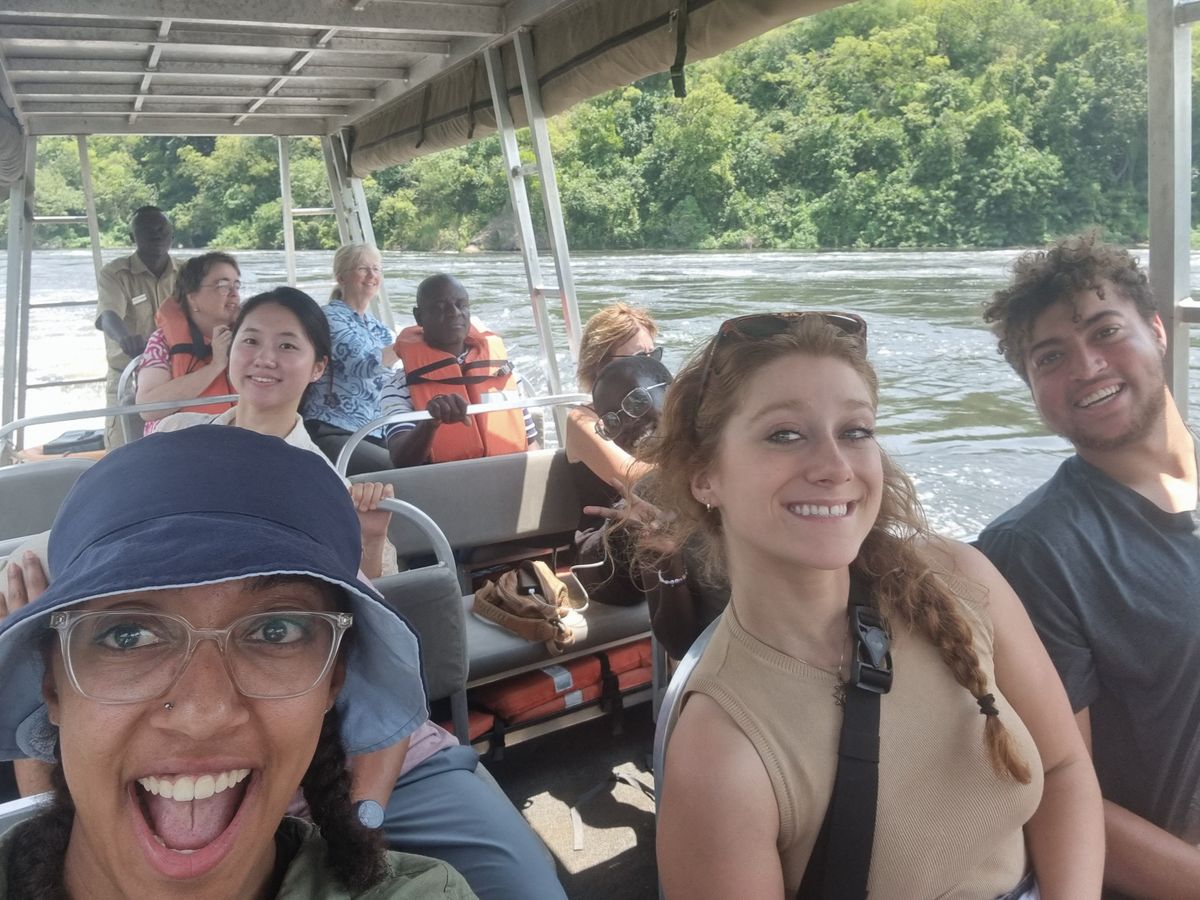
Kazinga Channel Boat Adventure
Cruise the channel connecting Lakes Edward and George.

Kyambura Gorge Chimp Tracking
Track chimpanzees in the dramatic "Valley of Apes".

Game Drives
Spot tree-climbing lions and diverse wildlife in the Ishasha sector.
Explore the Volcanic Crater Lakes
Drive through one of Africa's most spectacular volcanic landscapes in the Katwe-Kikorongo region.